WELCOME TO IMAGES FROM THE COSMOS ASTROPHOTOGRAPHY! This website is designed and set up to share
some amazing sights, to provide information both about astronomy and
astrophotography, and to provoke reflection about our place in this stranger
than fiction universe. There is a description about the telescopes and cameras I
use, a gallery of some of my favorite photos, a bit about myself and how to
contact me, and resources for more information about astronomy and
astrophotography. I hope you'll enjoy this site as much as I have in putting it
together. And I hope it may add a new dimension to your life through viewing and
reflecting on these Images From the Cosmos.
To get started, please take a few minutes to view the video below that is composed of some of my images set to the music of Constance Demby. It conveys some of the grandeur and mystery of our amazing universe!
some amazing sights, to provide information both about astronomy and
astrophotography, and to provoke reflection about our place in this stranger
than fiction universe. There is a description about the telescopes and cameras I
use, a gallery of some of my favorite photos, a bit about myself and how to
contact me, and resources for more information about astronomy and
astrophotography. I hope you'll enjoy this site as much as I have in putting it
together. And I hope it may add a new dimension to your life through viewing and
reflecting on these Images From the Cosmos.
To get started, please take a few minutes to view the video below that is composed of some of my images set to the music of Constance Demby. It conveys some of the grandeur and mystery of our amazing universe!
The website is divided into four sections: Home Page; Telescopes, Cameras, and Techniques; Astrophotos (Solar System and Beyond the Solar System); Personal and Resources
Continue to the next sections of the website to learn about my instruments, see images of objects from the Moon to distant galaxies, and end with the section (Personal and Resources) about my astronomy/astrophotography journey.
THANK YOU for viewing this website. If you have any questions or comments, please contact me at starryrobert@aol.com
UPDATE: 11-INCH SCOPE HAS PERMANENT HOME
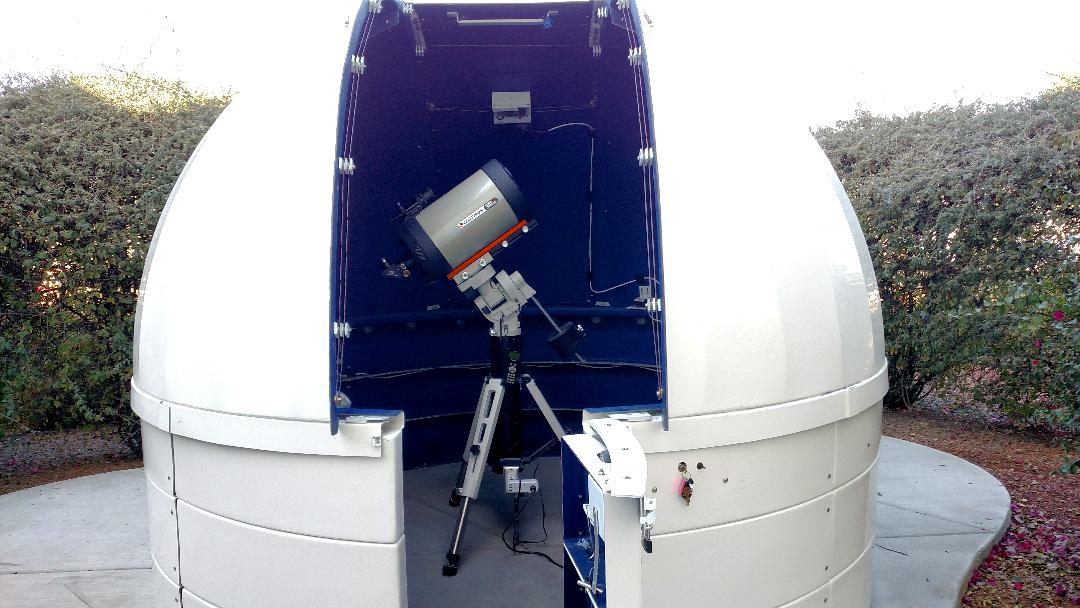
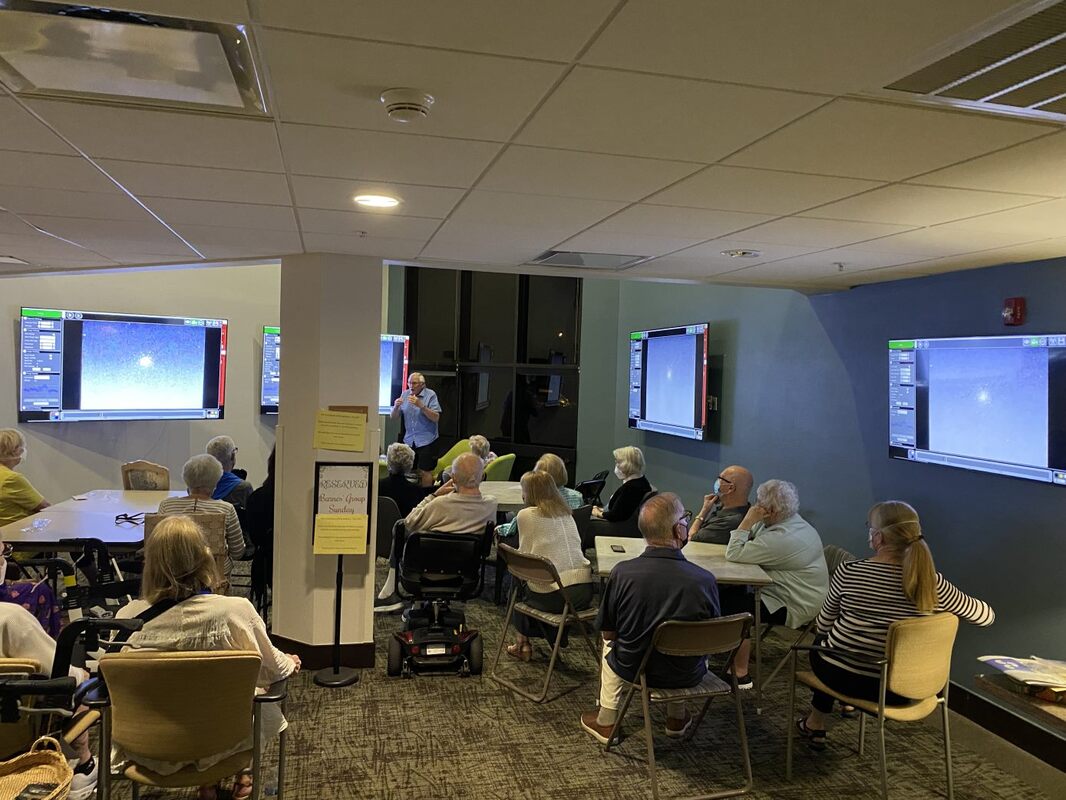
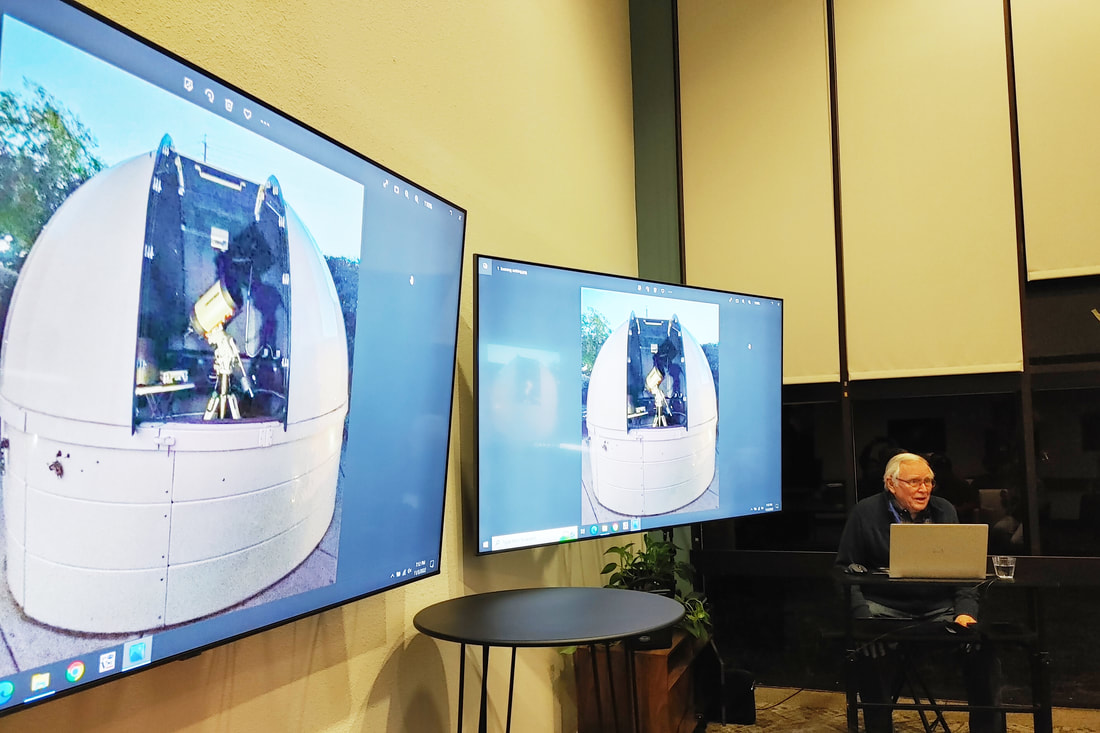
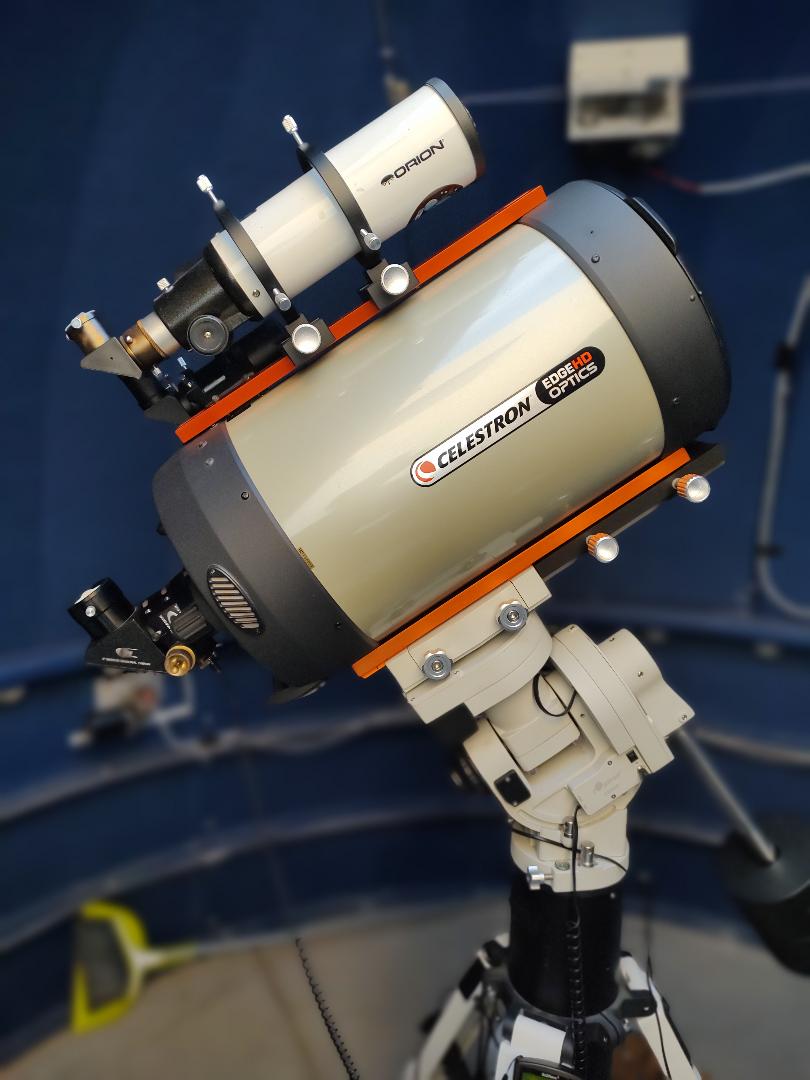
The exciting news is that my 11-inch Celestron Edge HD SCT now resides permanently in the Westminster Village Observatory. After living for 2 years in our vacation home in Scottsdale, AZ, my wife and I moved to Westminster Village, an independent living/continuing care community. In March of 2019 before we moved in I made a proposal to the administrative staff for an observatory for the benefit of residents (including myself) and employees and their families. This proposal was warmly and enthusiastically received. I initiated a fund drive to pay for the majority of the observatory costs. This successful drive brought in over $16,000 from the residents. After various delays due to COVID and supply chain problems the observatory was opened for residents on February 8, 2022. We usually have two viewing nights a month looking at objects well positioned in the sky for the observatory. Images from the telescope are remotely presented on large screen TVs in a nearby viewing room. That way all residents, regardless of mobility problems, will enjoy viewing the heavens. From the beginning the residents have been excited about this project and have responded enthusiastically from start to finish...and continue their enthusiasm in regard to our ongoing viewing program.
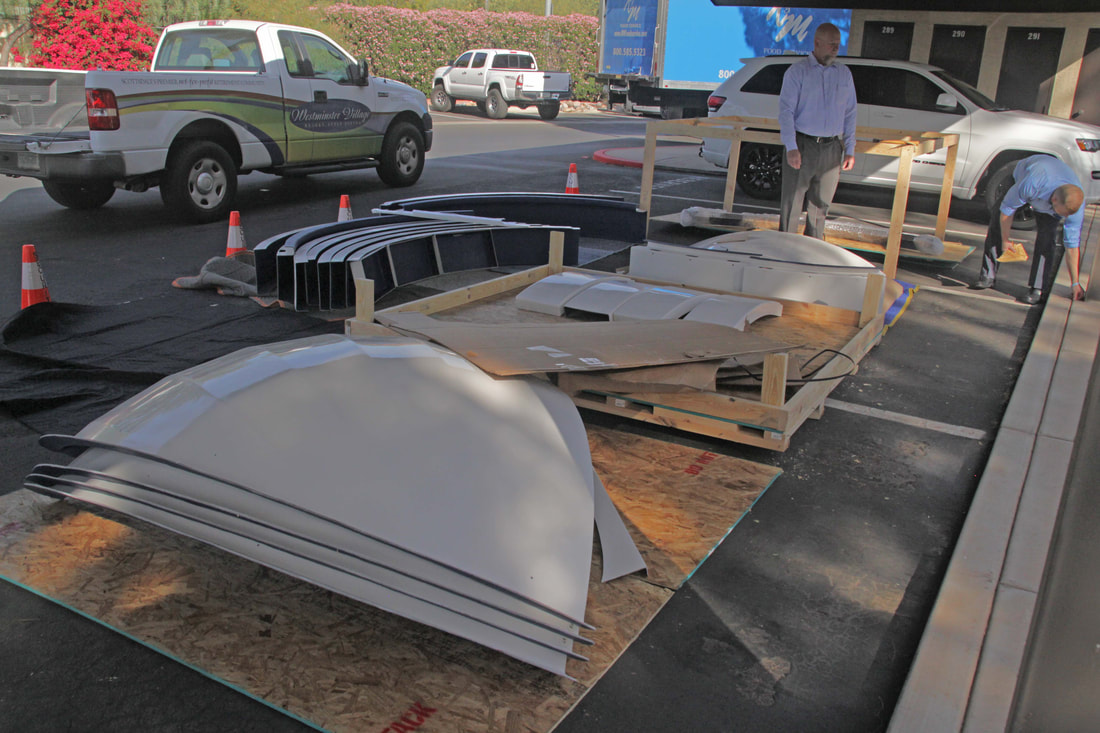
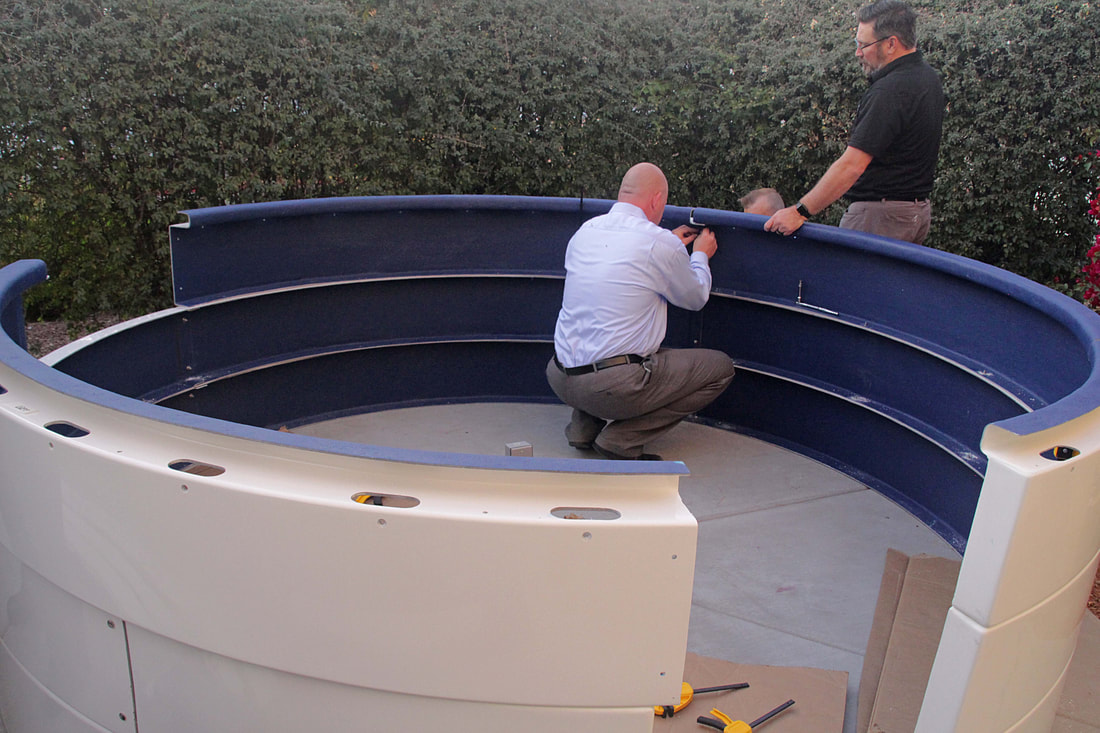
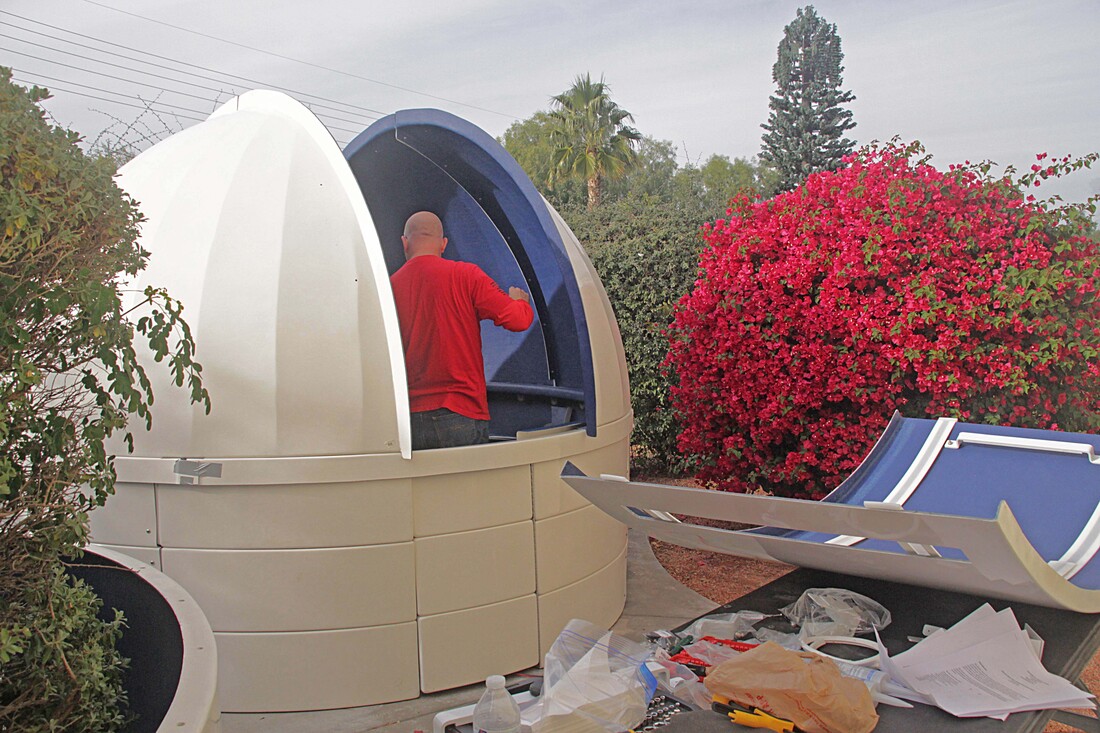
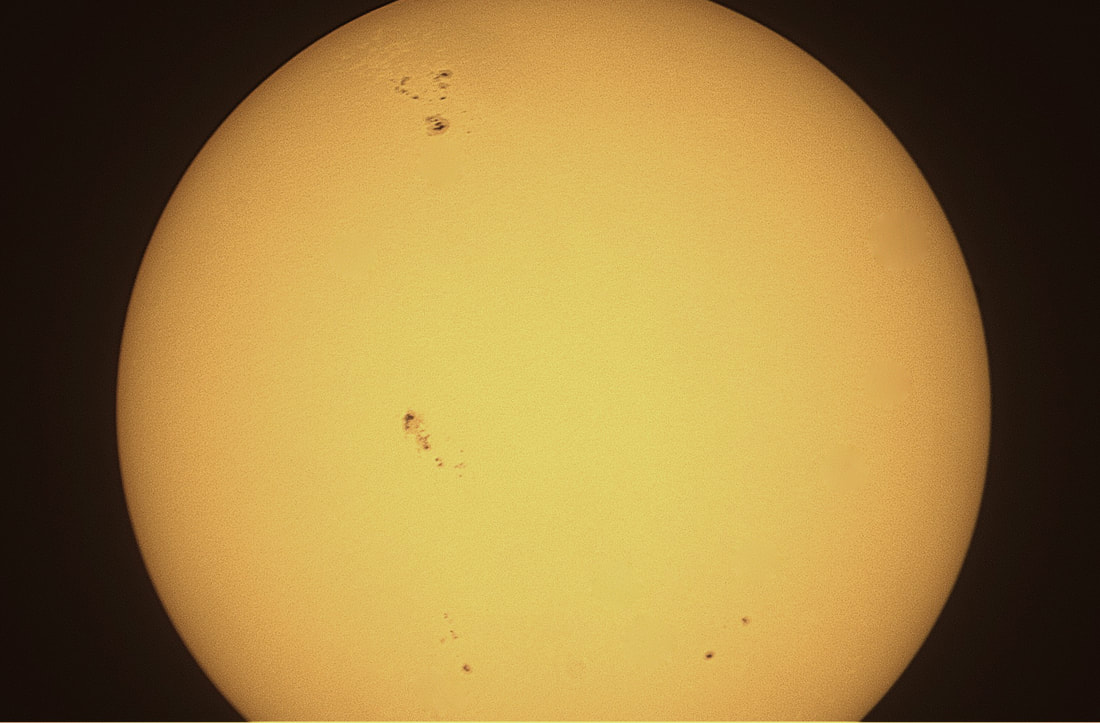
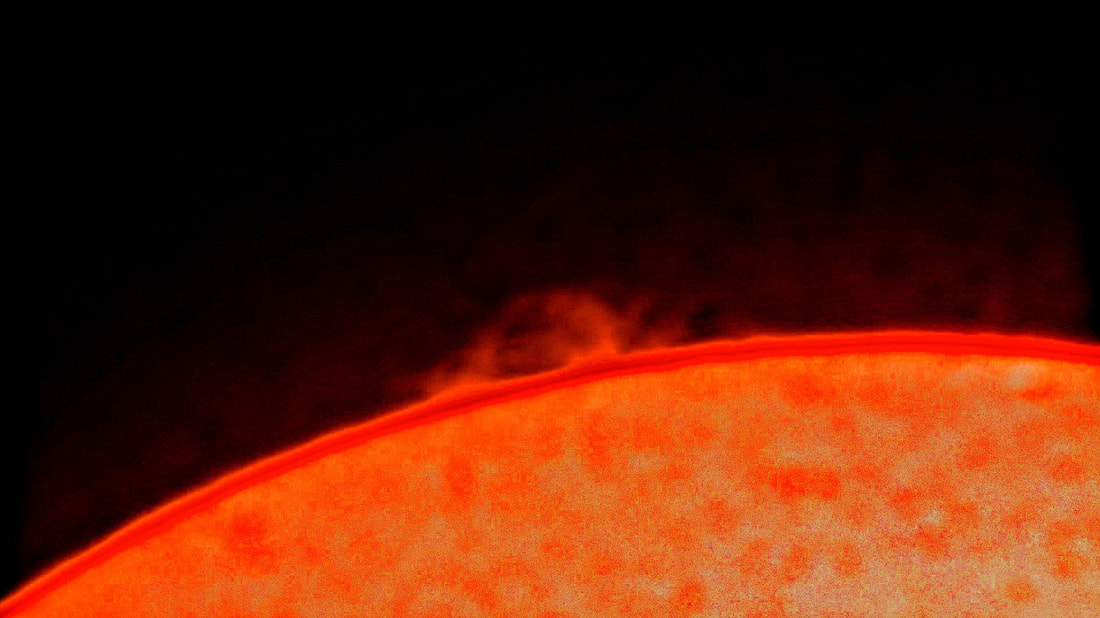
Construction details: We poured a carefully leveled slab and put underground 110V AC to the center of the slab. The ten foot diameter building and dome were manufactured by HomeDome, shipped in pieces, and assembled by the administrative staff and myself. The dome is rotated by two electric motors and the the shutter cover is raised and lowered by an electric motor. The telescope mounting utilizes vibration absorbing feet because of the nearby freeway off-ramp. Below are photos of the observatory during construction and in completed form. Following that are photos of the observing room with the four large screen TVs. Most recently I've added an 80 mm F/5 Orion short-focus refractor converted to take white light photos of the Sun and also of the prominences using a Daystar Quark hydrogen-alpha heated, adjustable filter. Using a ZWO planetary video camera, these images can be viewed during the day on the large screen TVs.
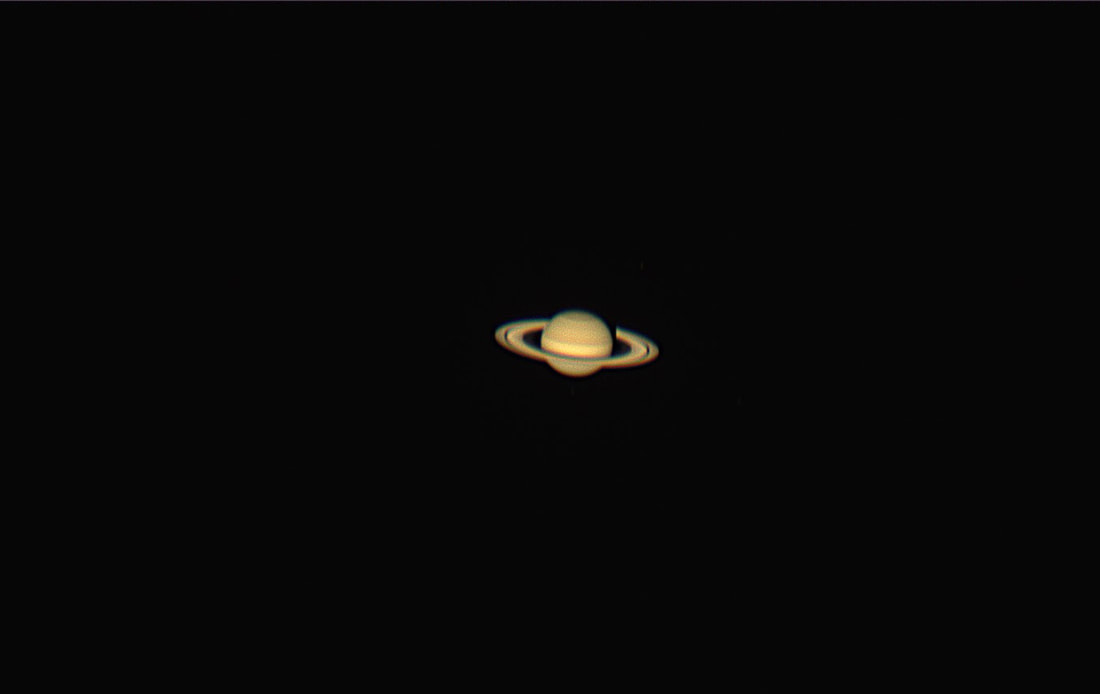
At the very end is a photo of Saturn created from images taken by the observatory telescope in October of 2022. This photo shows the most detail of any I've taken of this beautiful planet. This is followed by two images of the Sun, the first in white light showing sunspots, the second in hydrogen-alpha showing prominences erupting from the Sun's surface.