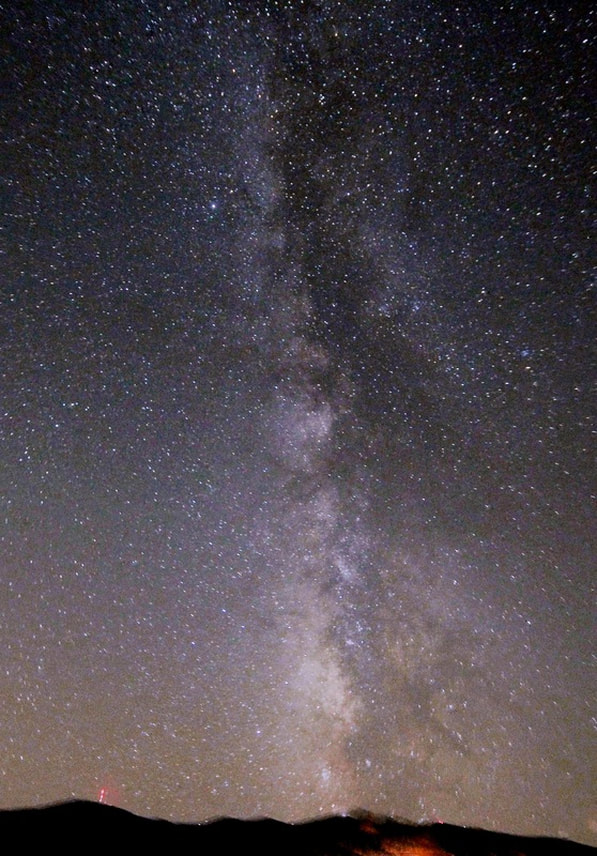
We start our probe beyond the solar system by looking out into the night sky and observing the Milky Way reaching majestically from the southern horizon in the summer all the way over our heads and beyond. When we follow the Milky Way with our eyes we are looking along the plane of our galaxy, and so we see many more stars and dust clouds than when we look to either side. The Milky Way is a spiral galaxy with several arms, and the solar system along with Earth is located in one of those arms about two-thirds of the way from the galaxy's center (the portion just above the mountains) that harbors a massive black hole. Our galaxy is about 100,000 light years (l.y.) wide and about 10,000 l.y. thick and contains billions of stars. This photo was made looking south from Lake Cachuma toward Santa Barbara and consists of four unguided thirty second exposures aligned and stacked. It was taken through a 10mm wide-angle lens by a Rebel T5i DSLR camera on a tripod. So, the next time you are outside on a dark, clear night, look for the Milky Way and know it is our galactic home!
As we start to probe beyond the solar system, objects of course become much more distant and necessarily fainter. It is here where the camera begins to reveal much more than can be seen visually through the telescope. The main reason for this is the difference between how our eyes and the electronic detector in the camera work. The camera detector can accumulate photons; that means the longer the exposure the brighter the image becomes in the camera. Our eyes cannot accumulate photons. So no matter how long we may stare at a faint object, it will not get brighter. Digital photography now allows us to record images at ever increasing sensitivities with extended exposures, something not possible with film.
The objects beyond our Solar System shown below extend from a few hundred light years away to hundreds of millions light years distant. A light year is the distance light travels in one year at the rate of 186,000 miles/sec (or or about 5.88 trillion miles). According to Einstein's theory of General Relativity, nothing in the Universe can travel faster than light.
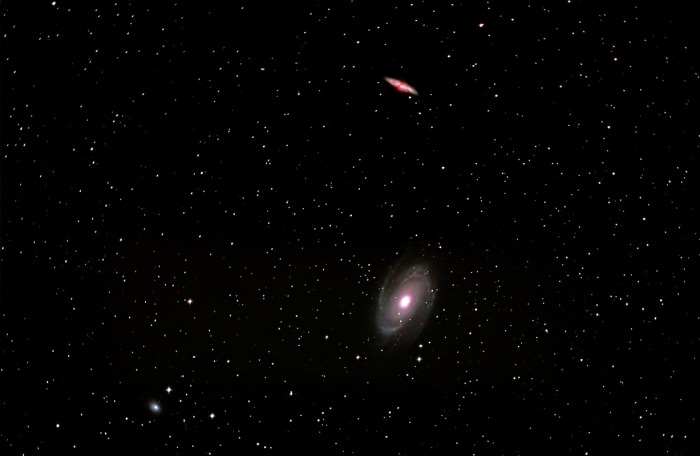
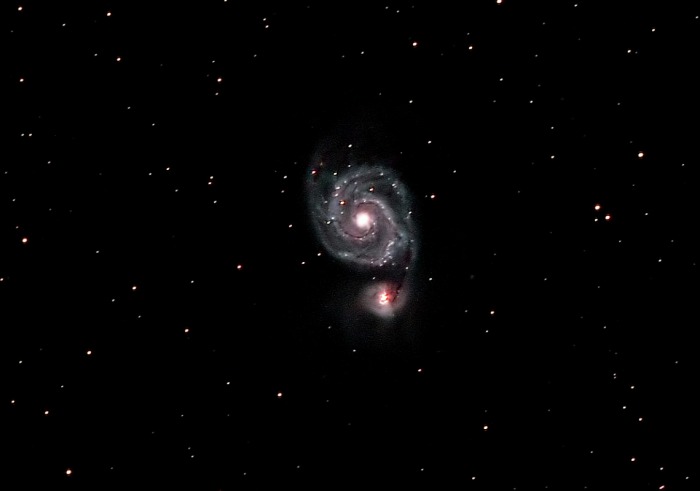
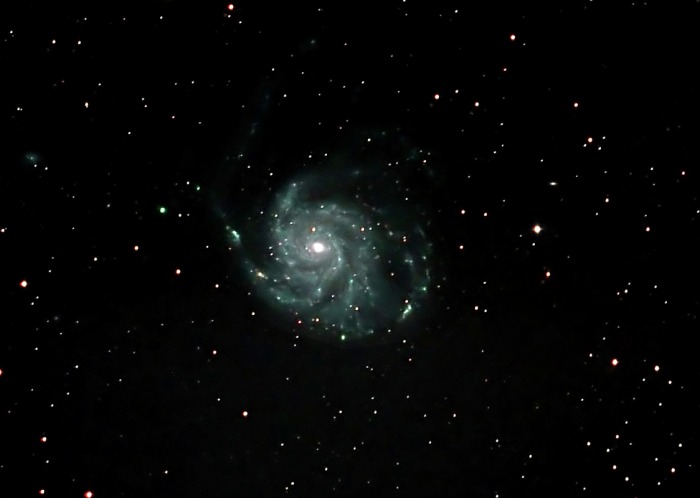
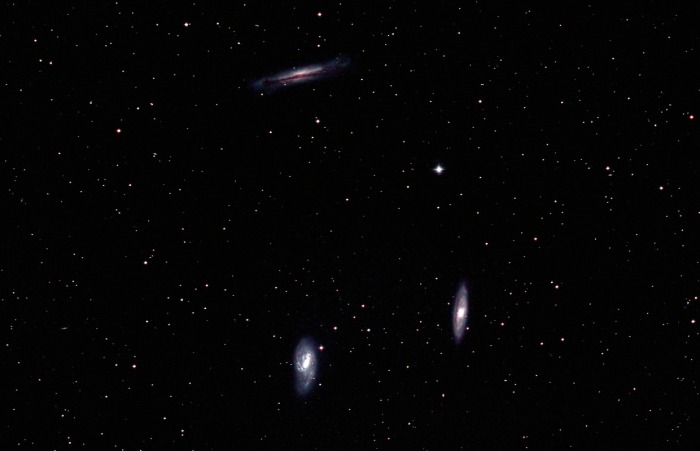
We'll begin with those objects in our Milky Way Galaxy (and therefore closer to the solar system) and end with galaxies, the most distant objects we know, and also the most difficult to photograph. Click on photo to enlarge and read the informative caption.
STAR CLUSTERS
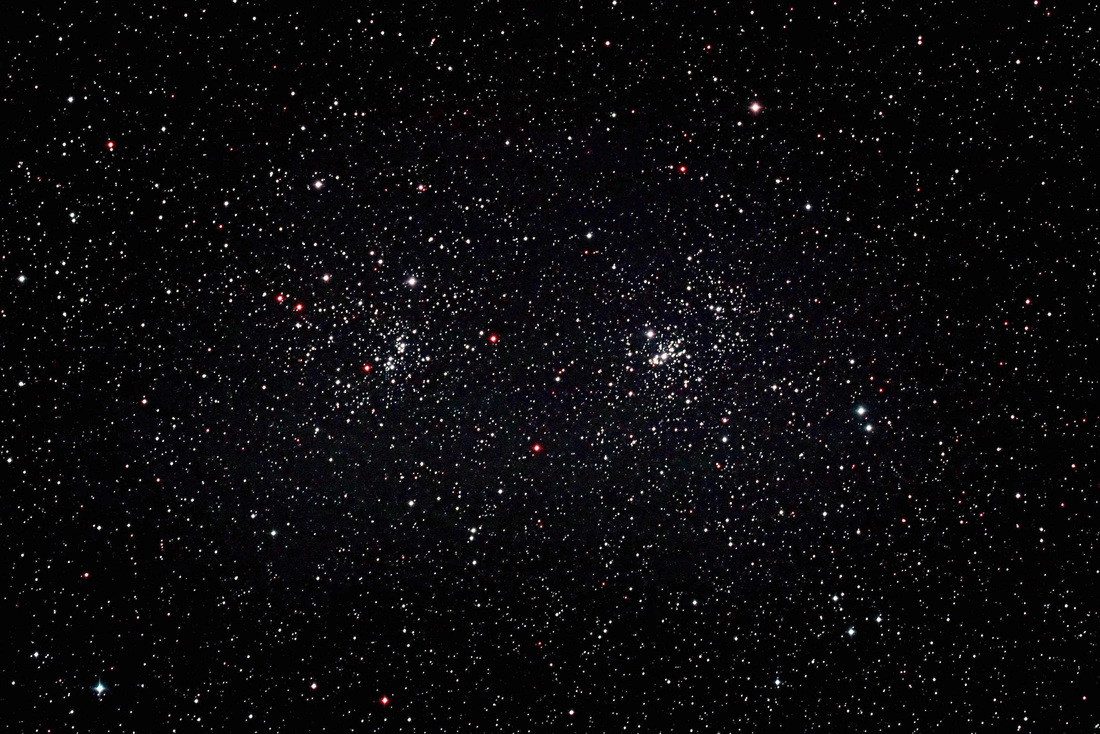
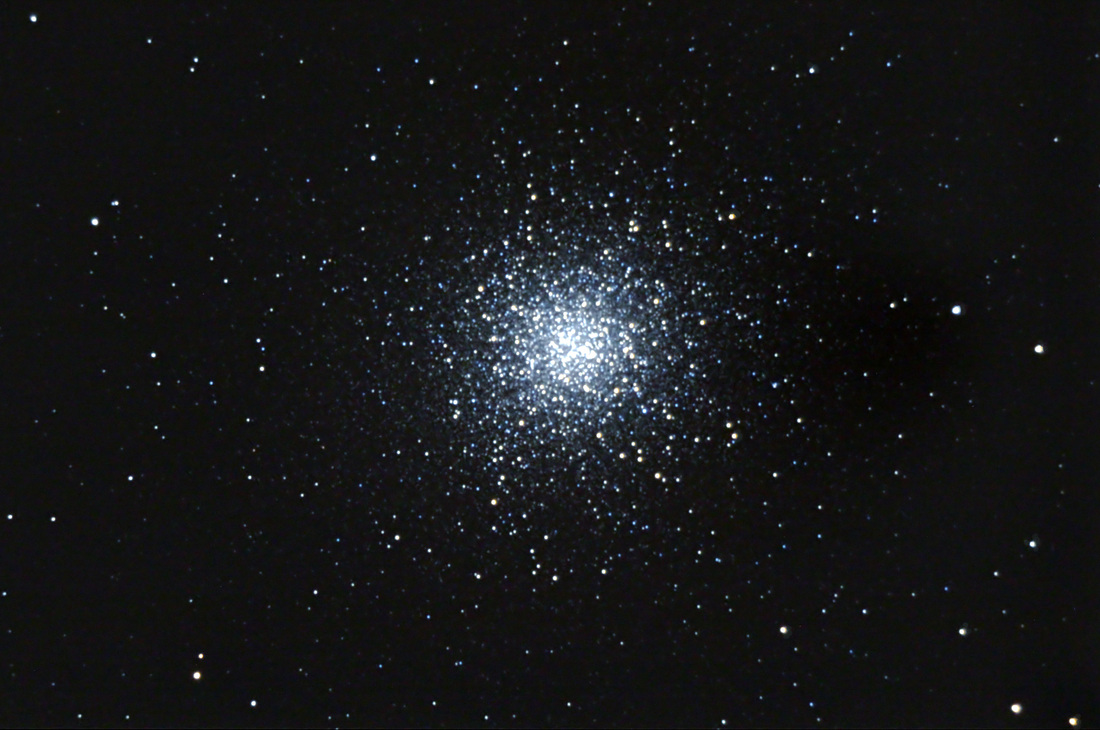
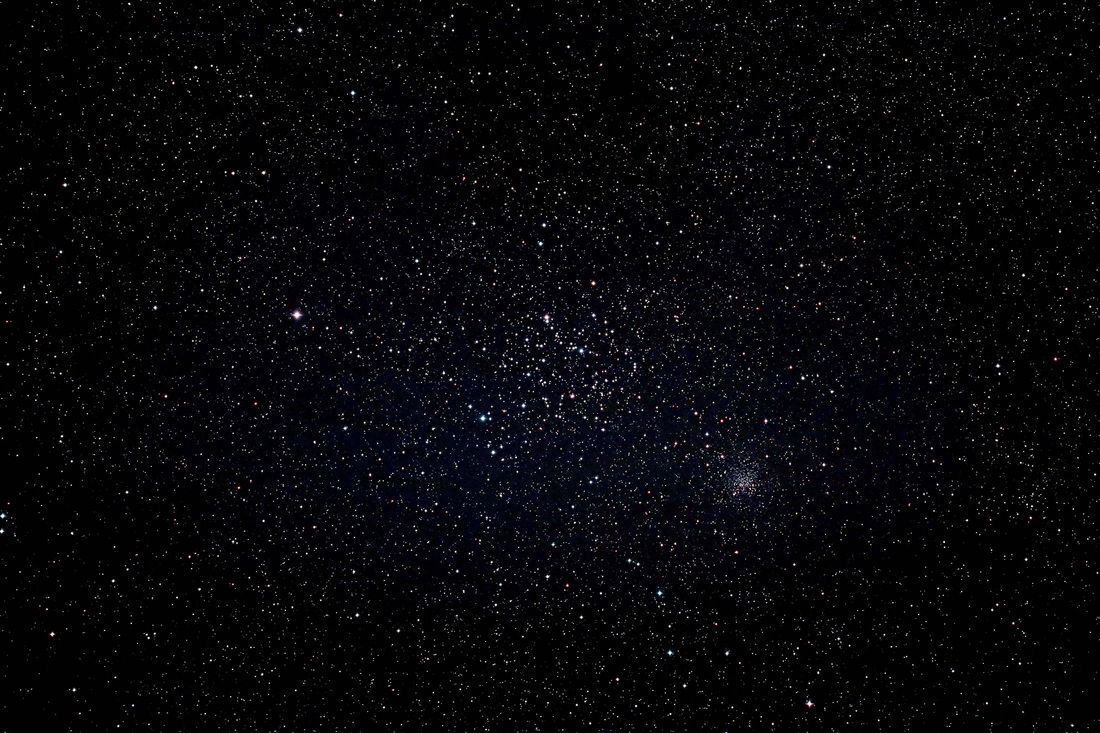
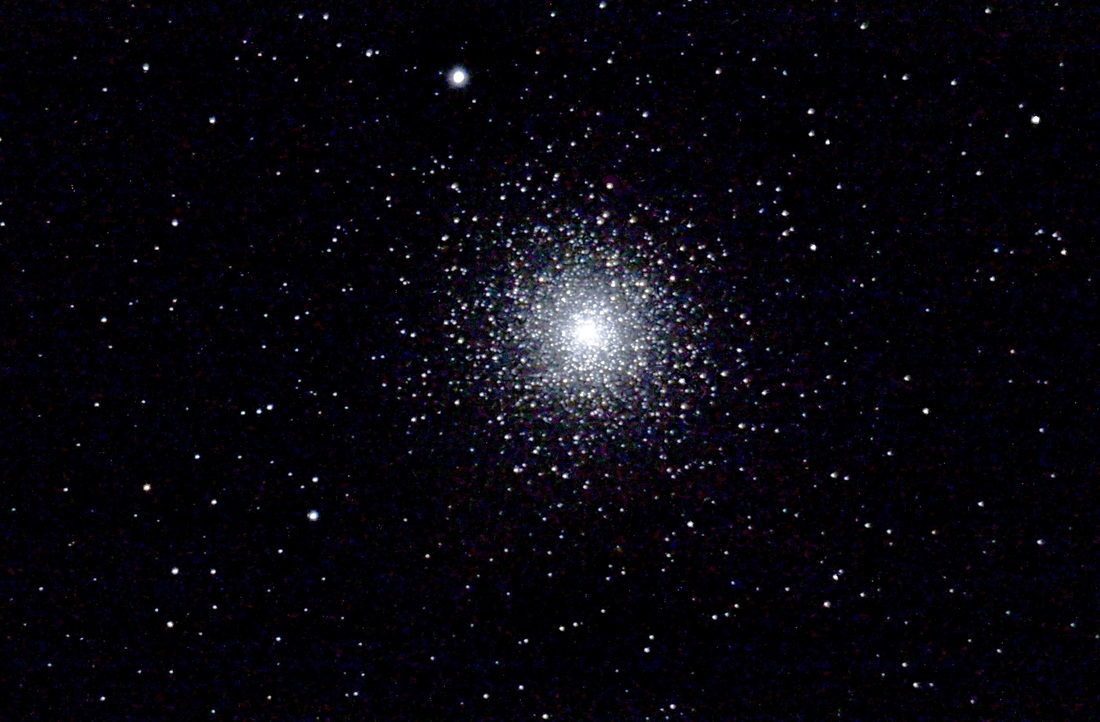
Star Clusters come in two types: open and globular. Open clusters generally are not very far away and represent loose gatherings of stars, a grouping that is distinctly seen against a dark and less populated background. They are very common in the Milky Way's broad swath of stars spread across a clear night sky. Globular clusters, on the other hand, are more distant lying just outside our galaxy and surrounding its bulging core. These clusters are highly condensed, and may contain 100,000 to over 500,00 stars. Can you imagine what the night sky would be like if Earth were in the middle of one of these clusters? Many astronomers believe that globular clusters are all that remain of dwarf galaxies that earlier surrounded our Milky Way Galaxy but have been depleted of all their dust and gas by the gravitational action of the Milky Way. We start with the famous open "Double Cluster" in the constellation Perseus on the left; M13, the great globular cluster in Hercules is on the right. Many additional examples follow below. Be sure to click on the image for a larger view and more information.
NEBULAE
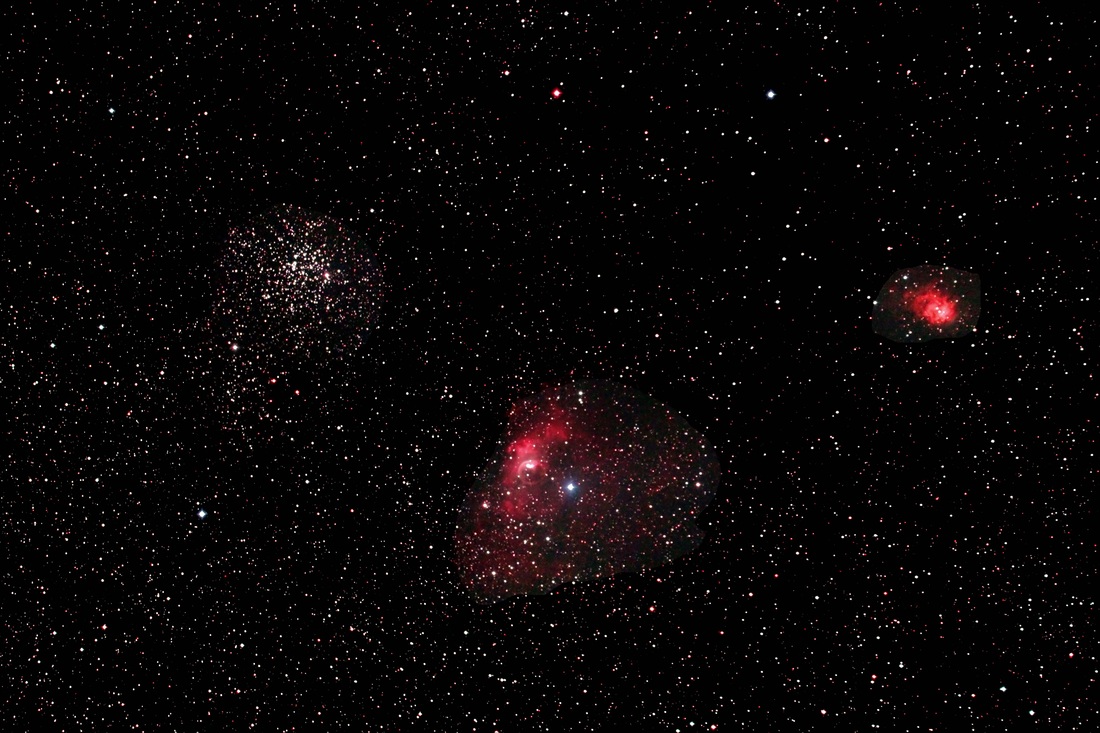
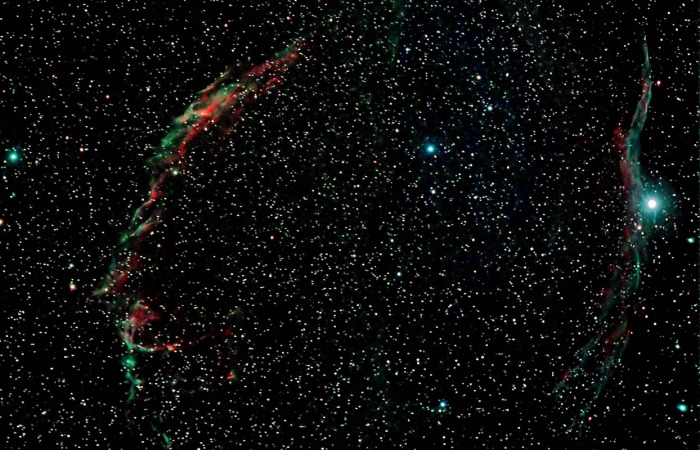
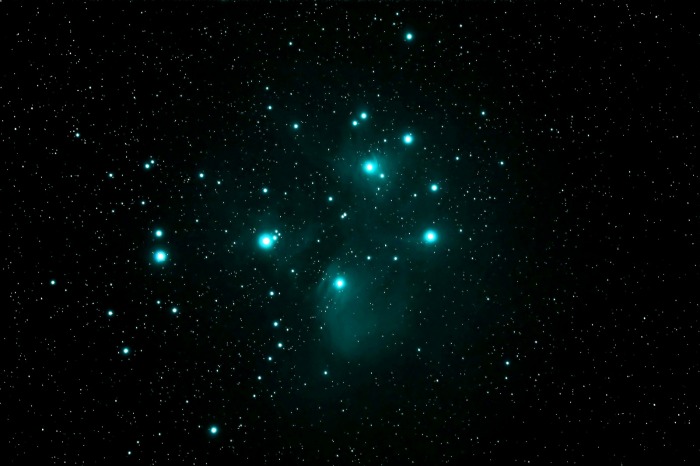
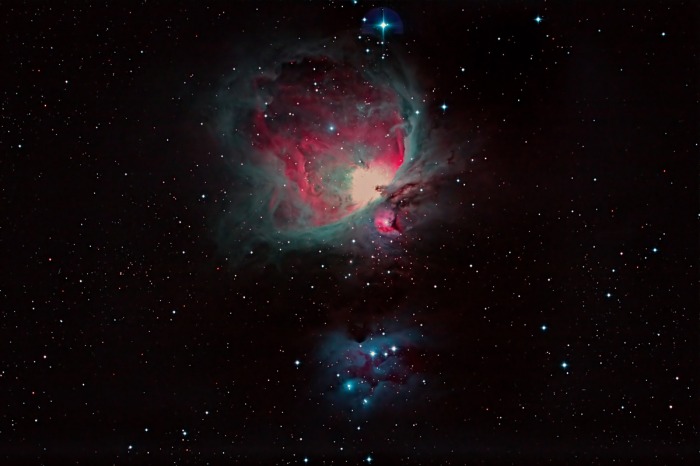
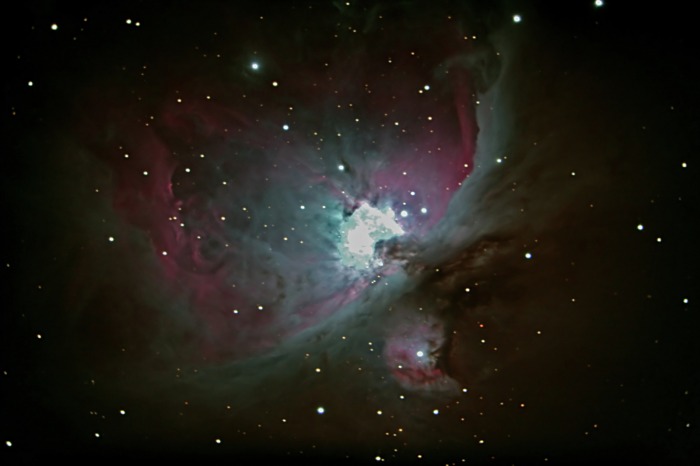
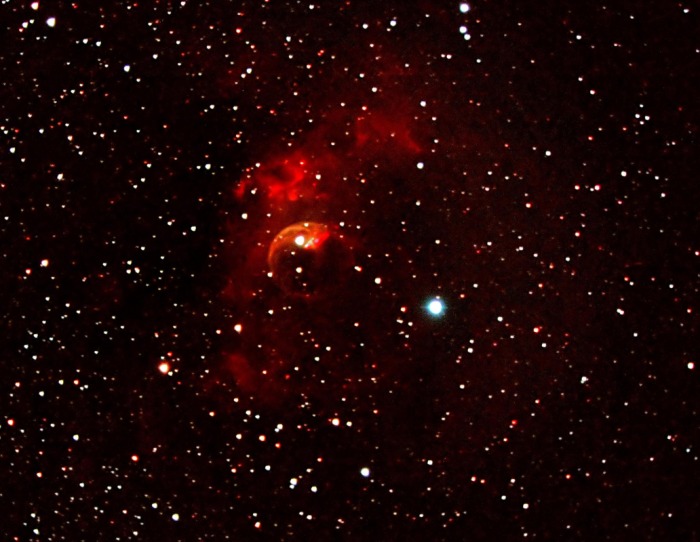
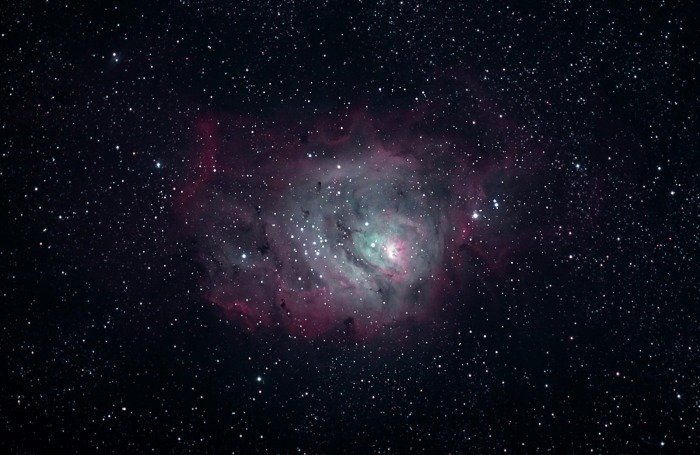
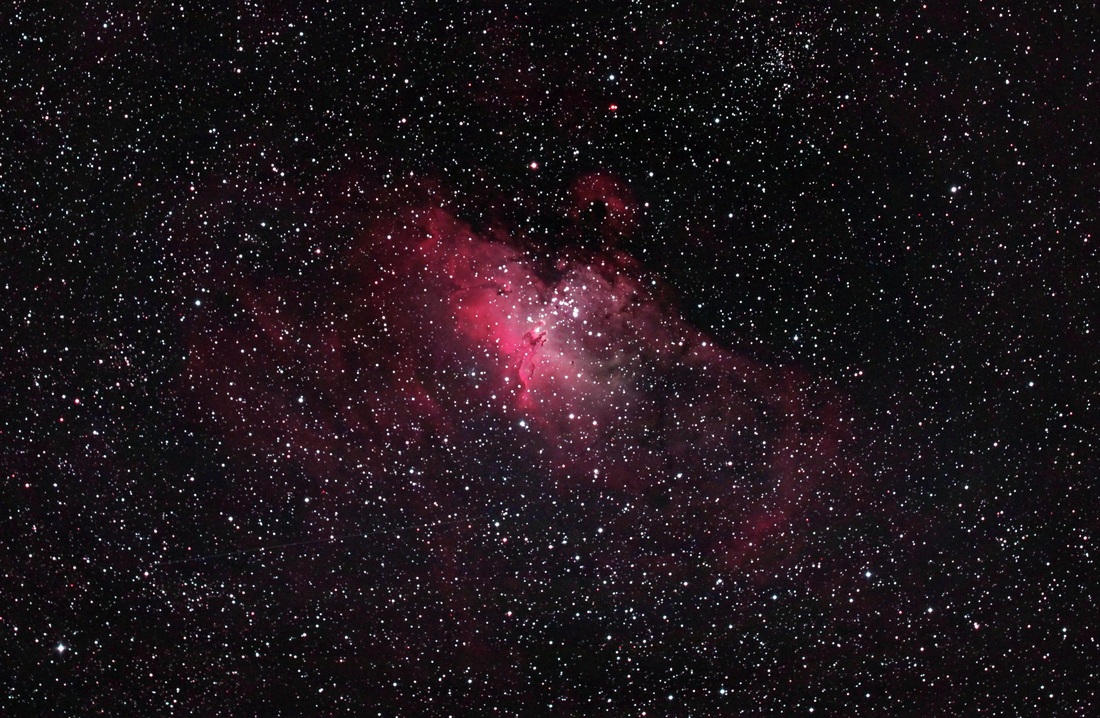
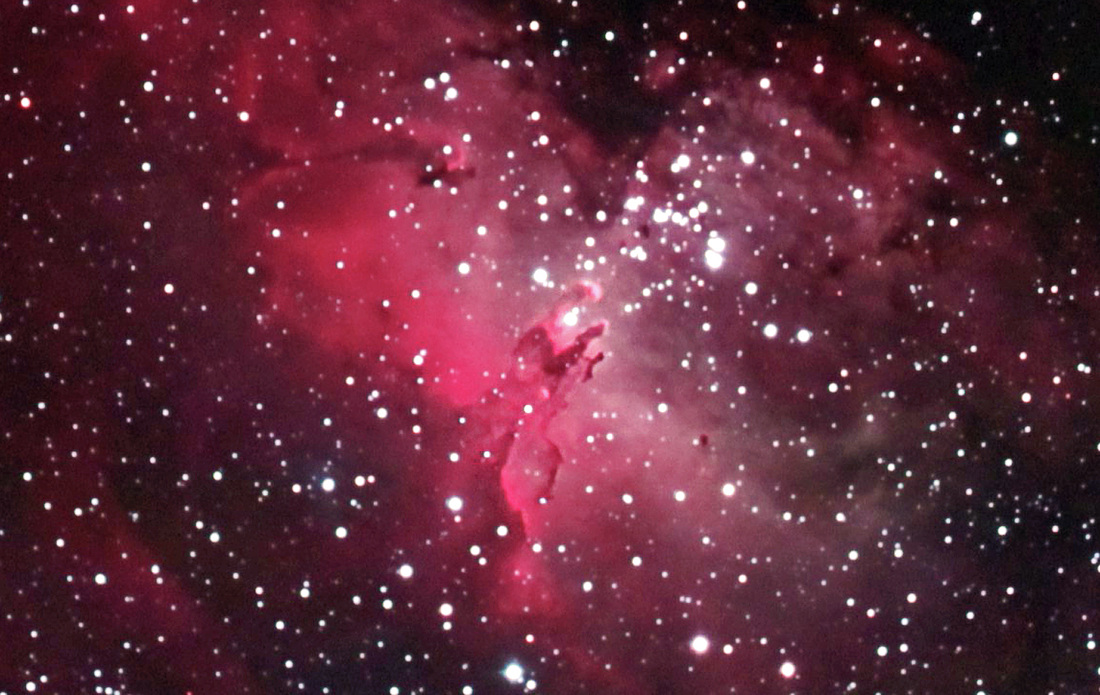
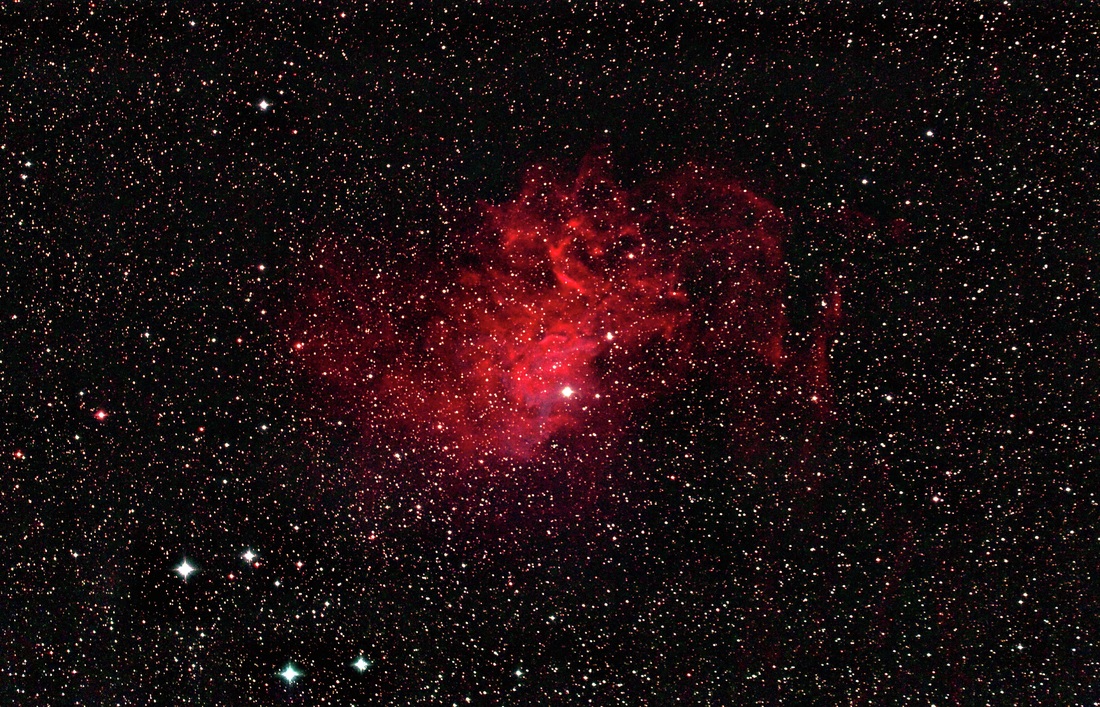
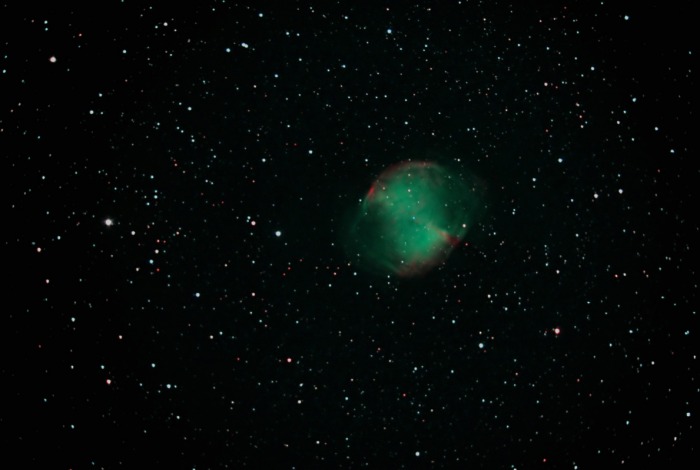
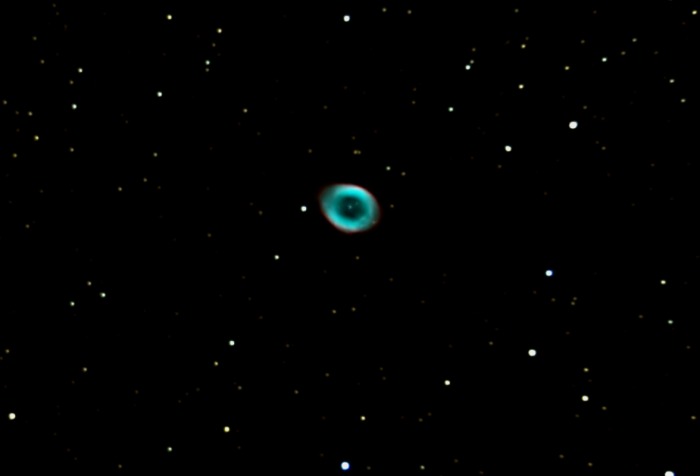
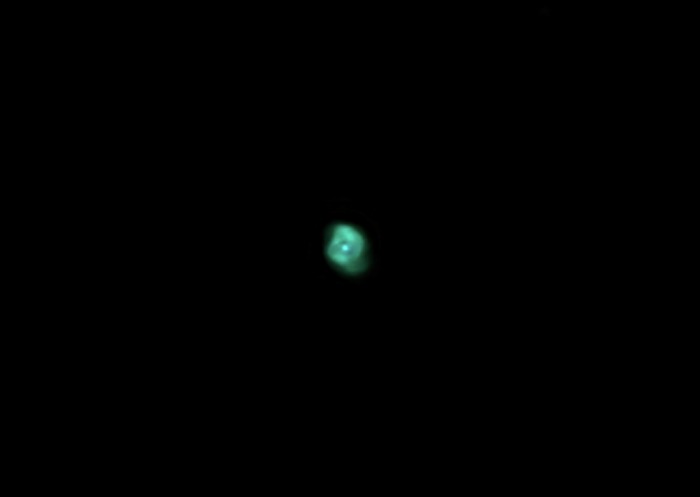
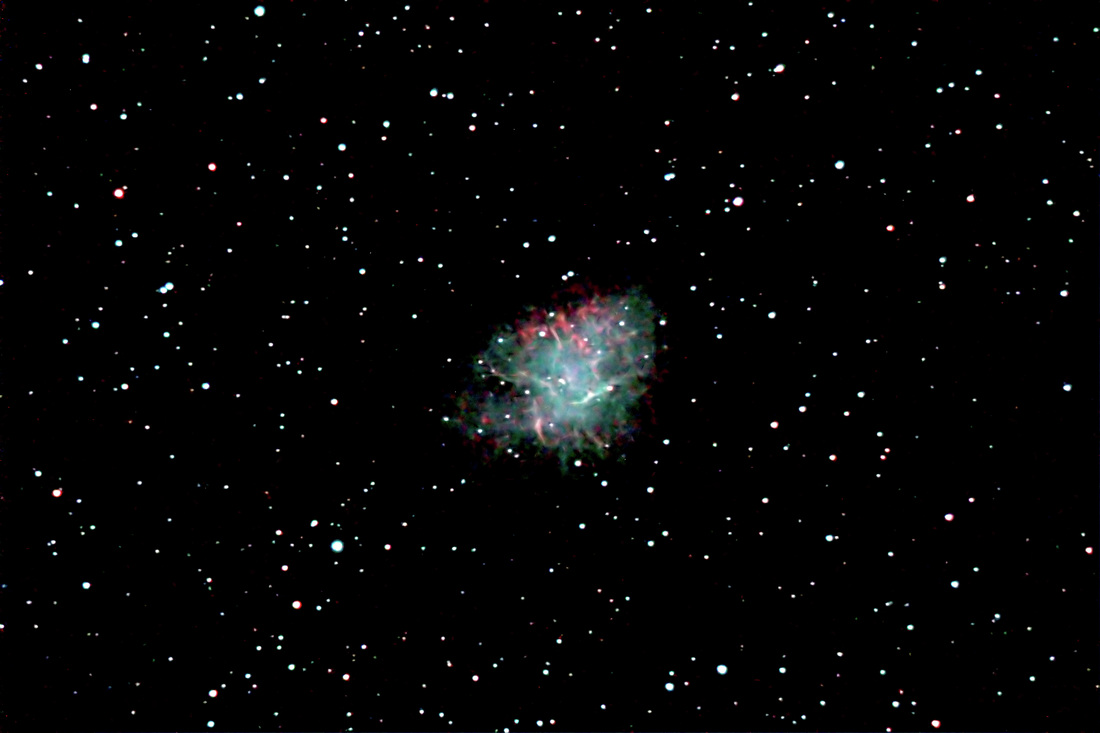
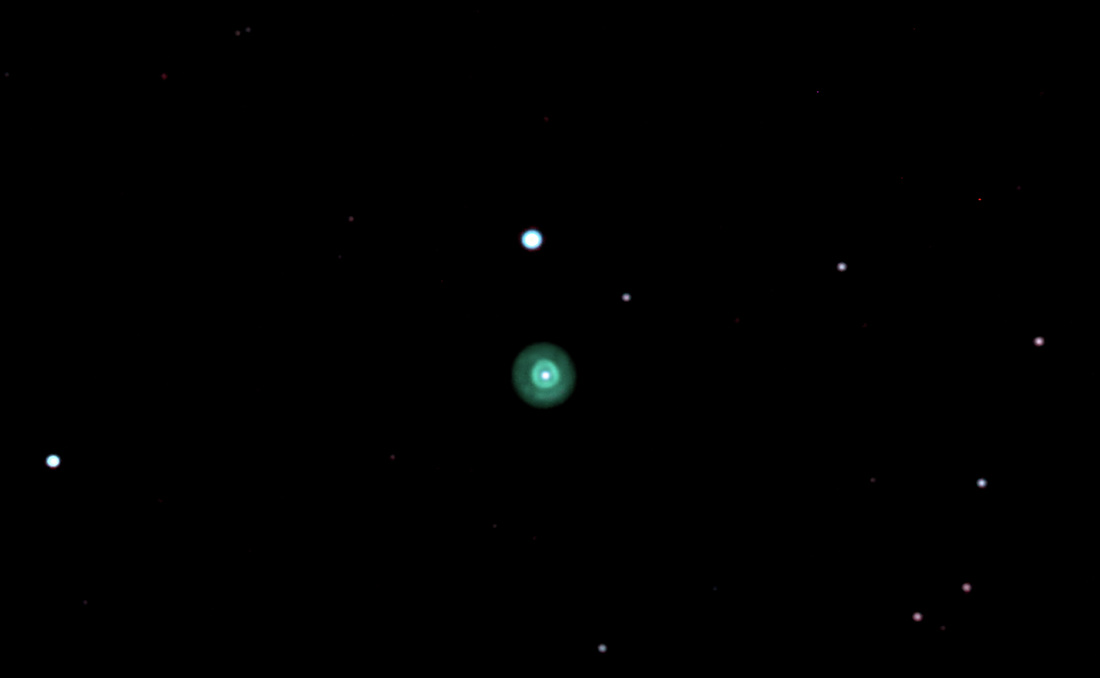
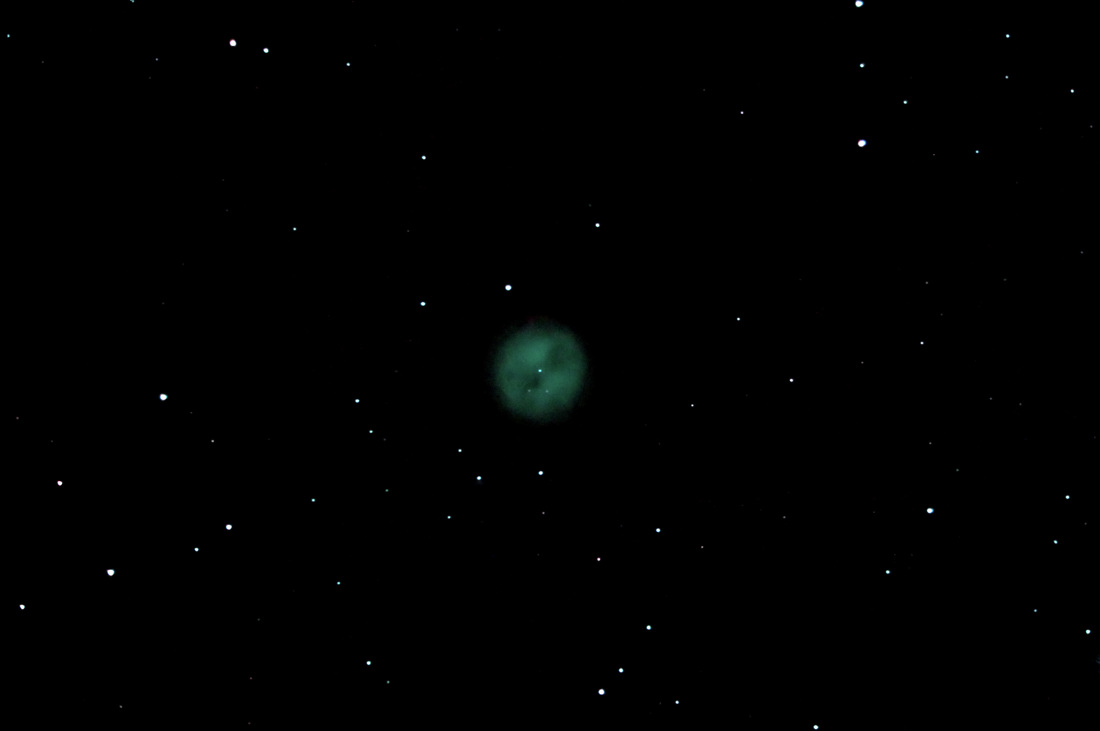
There are two kinds of nebulae: diffuse nebulae and planetary nebulae. They are as different as night and day. Diffuse nebulae are clouds of gas and dust that either reflect the light of nearby stars (known as "reflection" nebulae) or absorb the light of nearby stars emitting a glow in the process (known as "emission" nebulae). The distinctive red of most emission nebulae is excited hydrogen gas. Planetary nebulae (so-called because in early telescopes they often resembled a faint planet) are usually much smaller and more compact and result from a star exploding and throwing off gas into space. Many novas and supernovas produce a shell of gas around them. Planetary nebulae are always illuminated by the now diminished star found in the center of the nebulae. However, this diminished star is often very faint and can only be seen via photographic means. On the other hand, the stars that cause emission nebulae to glow are usually easily detectable. All the nebulae shown here are in our galaxy and are not very distant.
Diffuse Nebulae
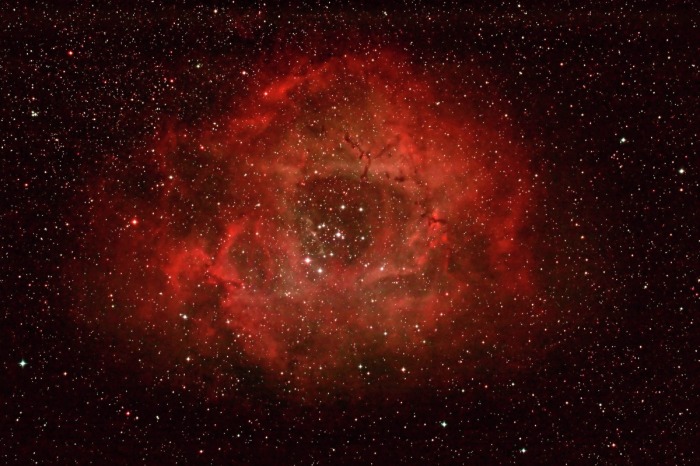
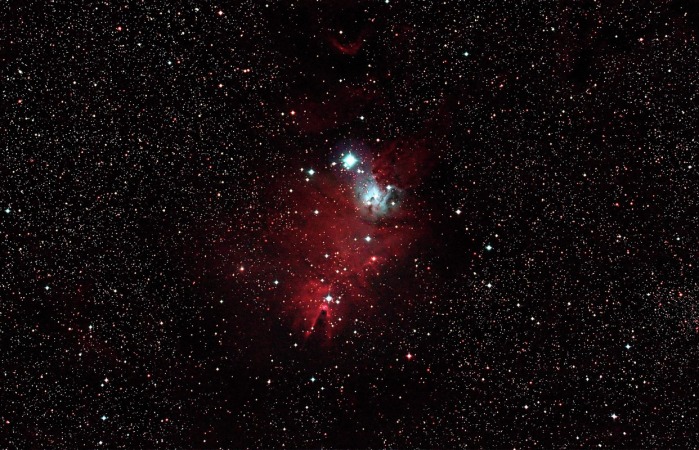
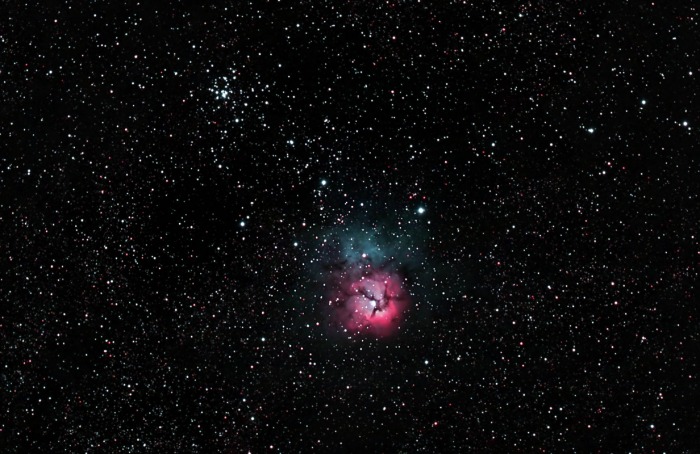
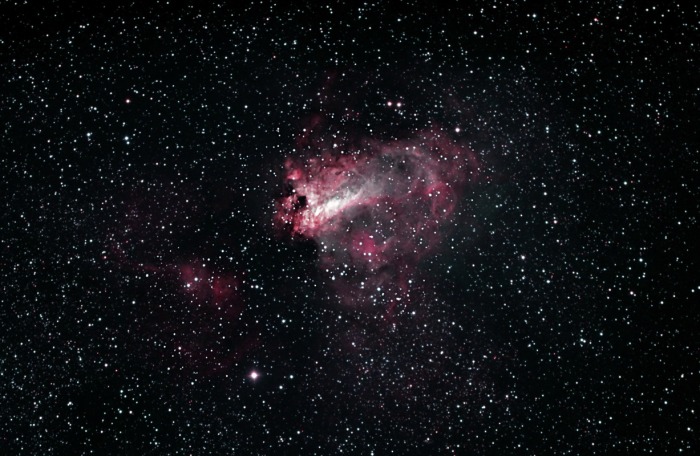
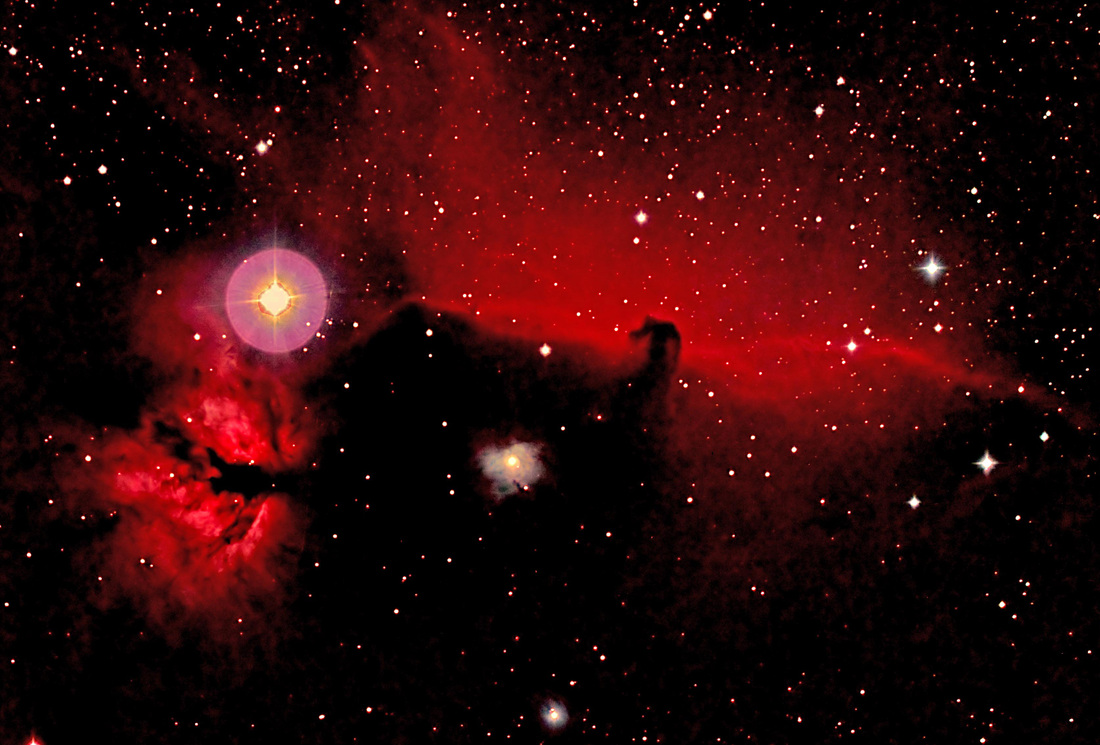
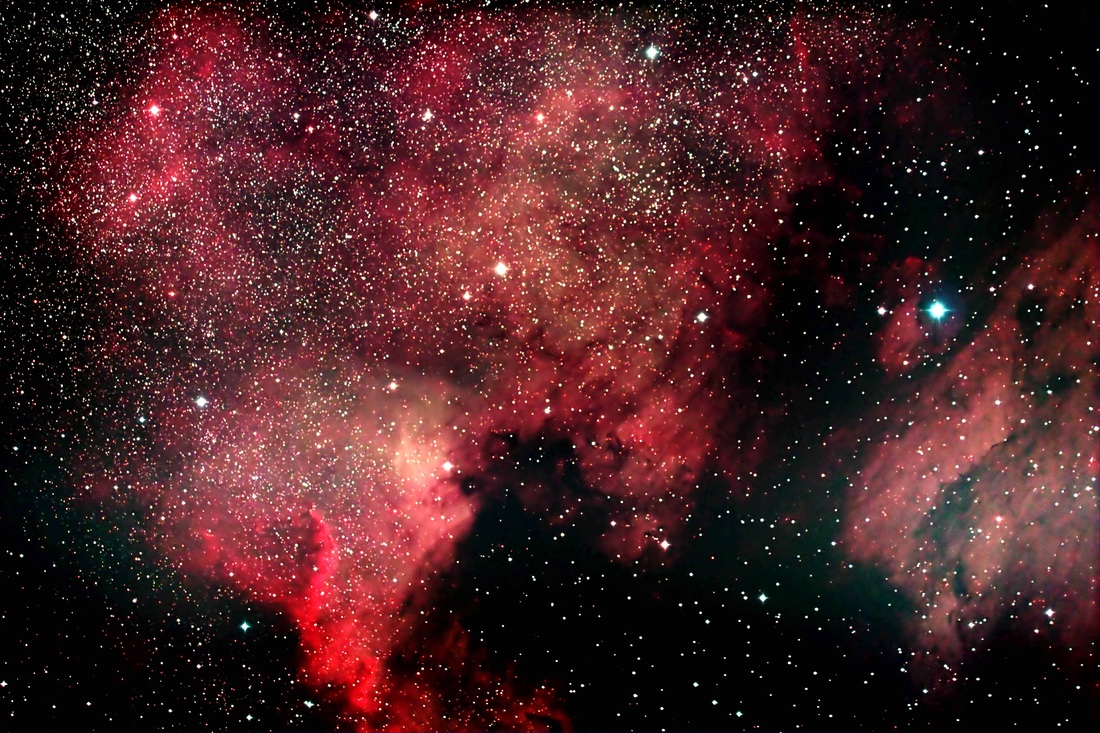
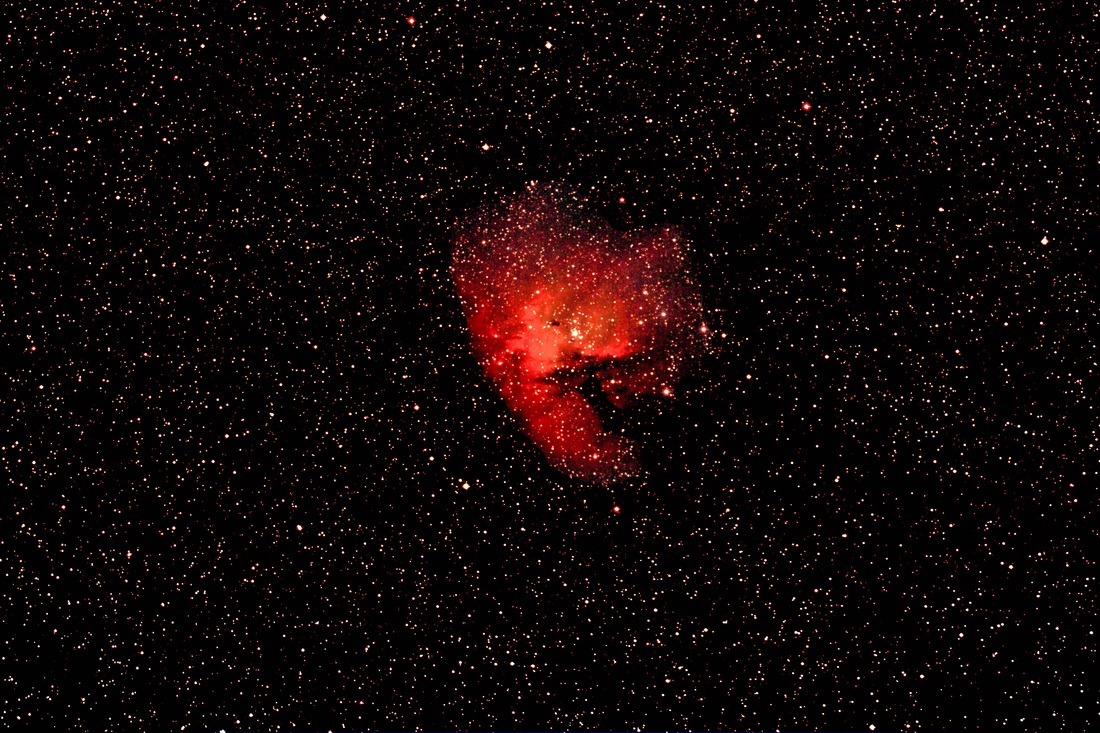
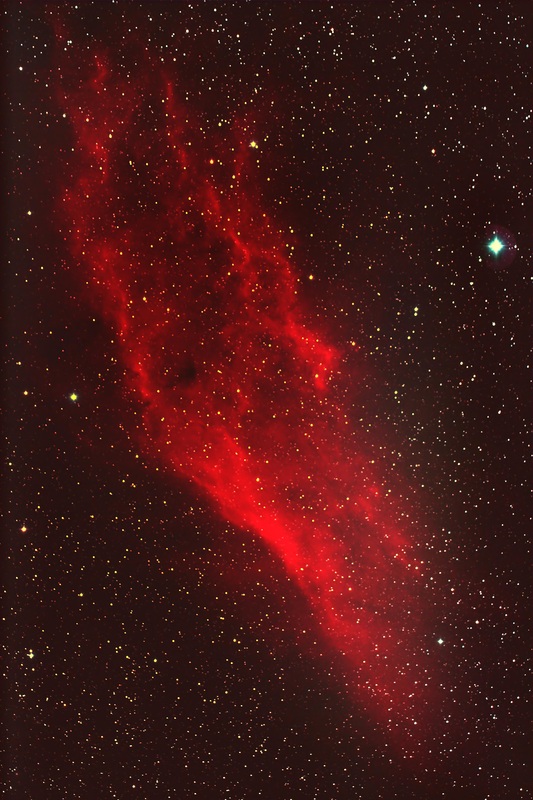
Planetary Nebulae
GALAXIES
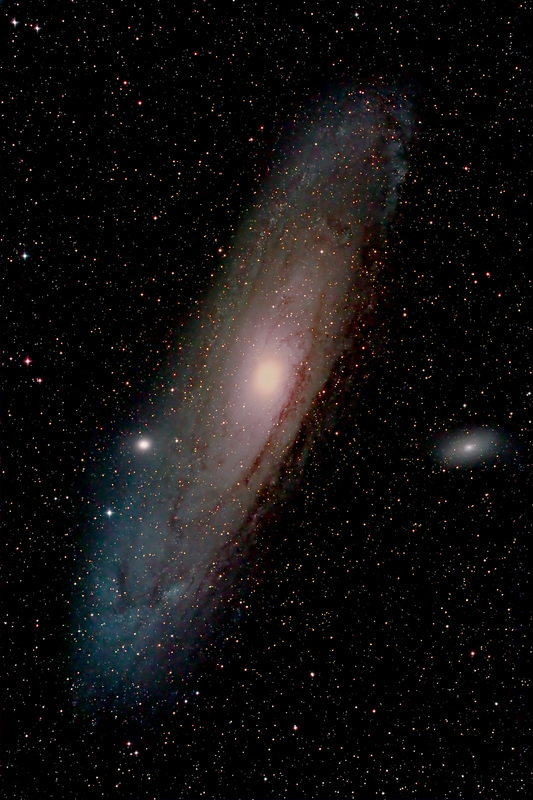
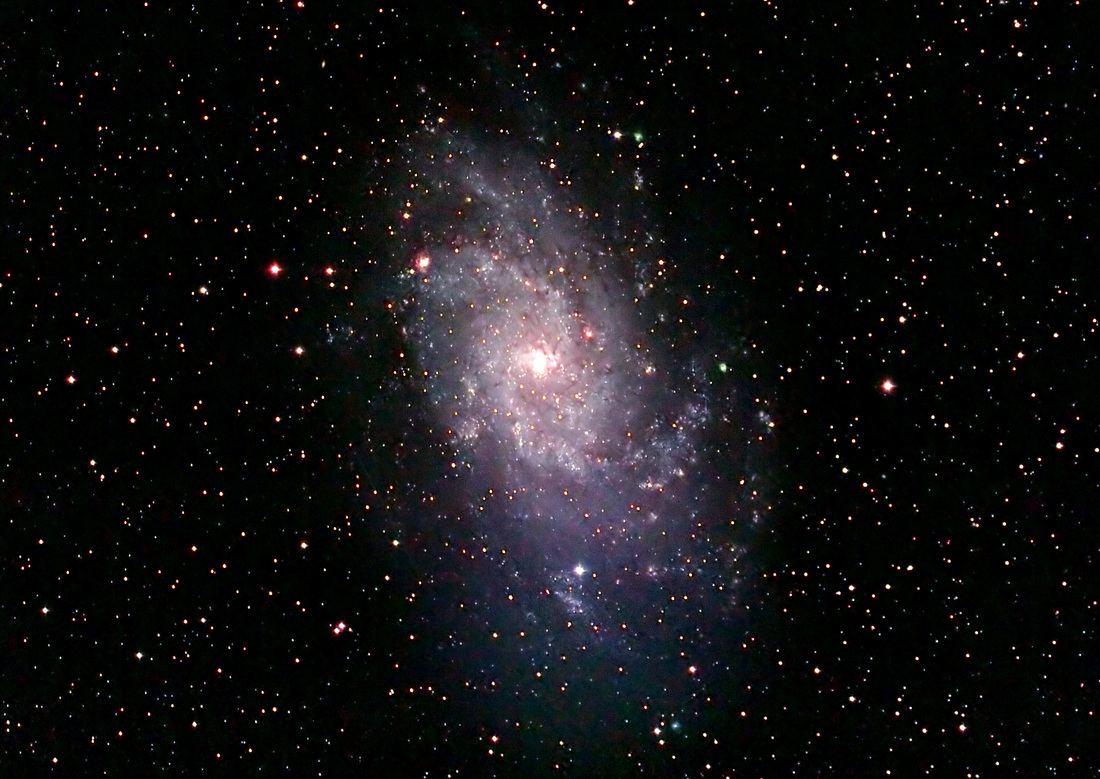
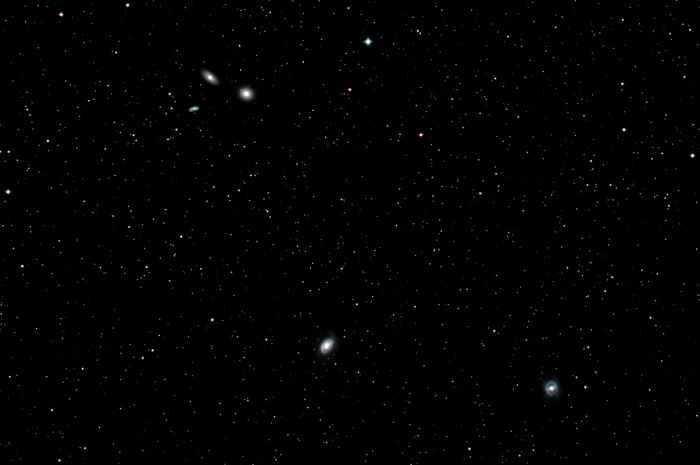
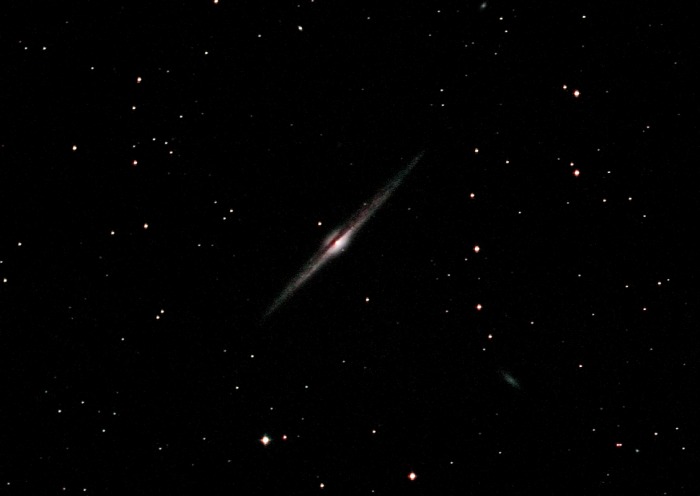
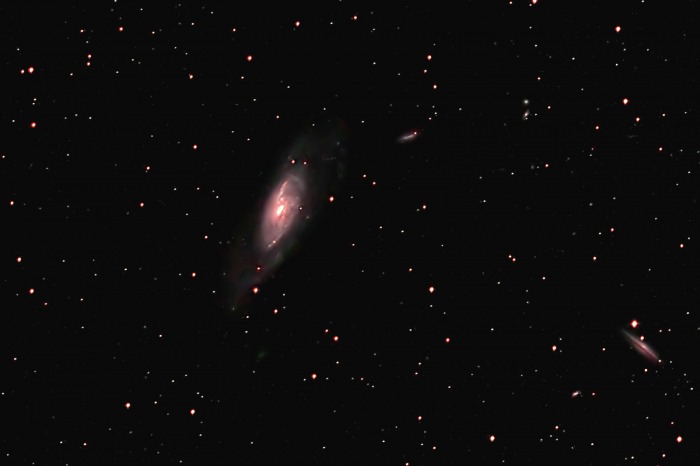
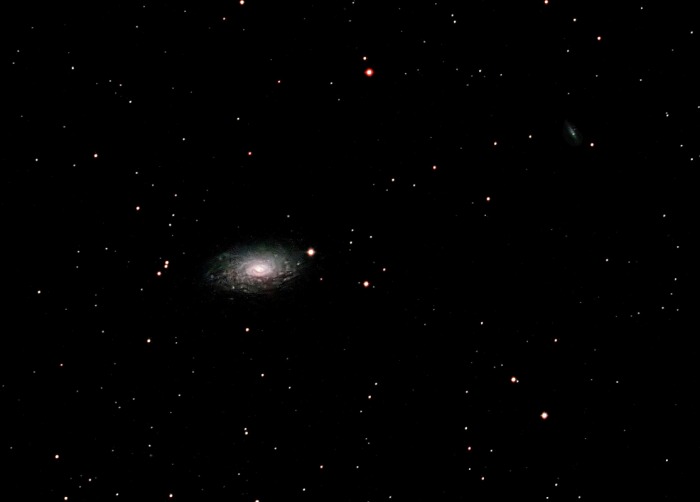
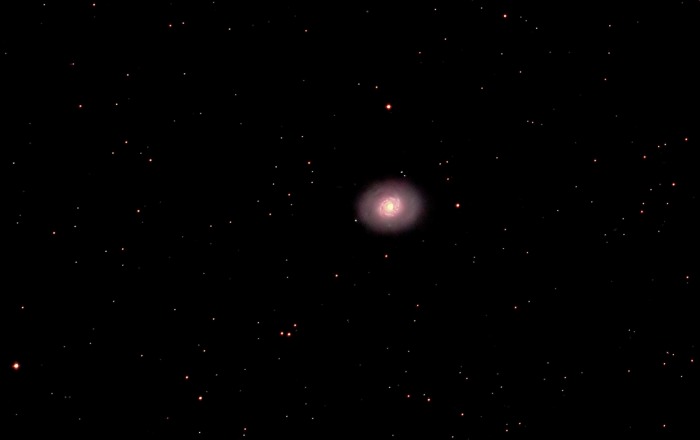
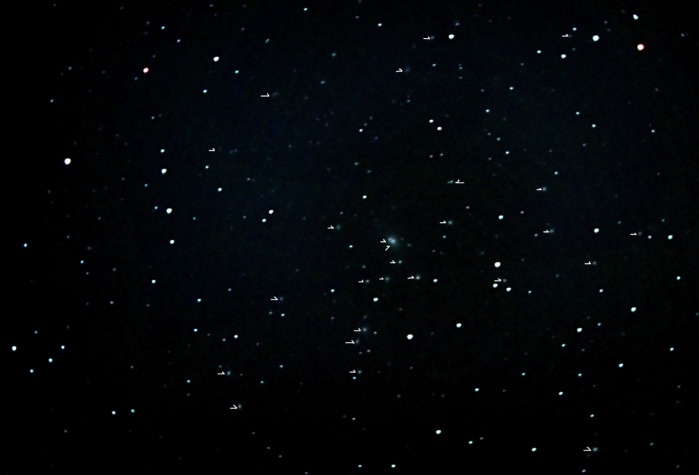
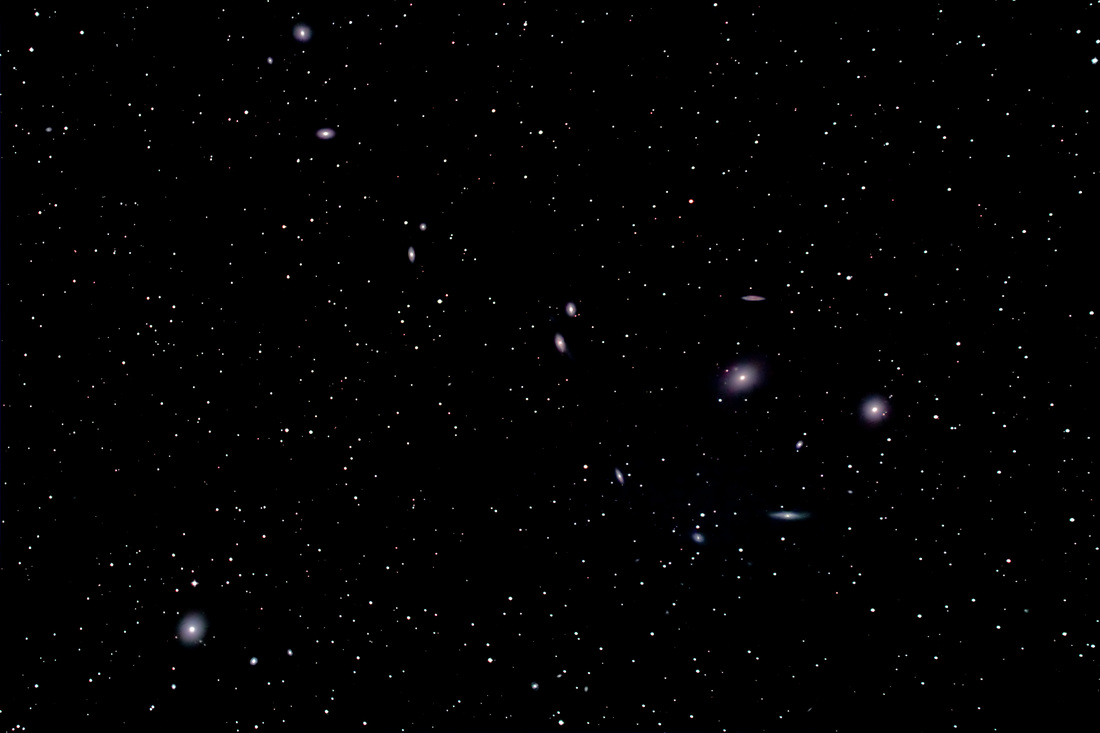
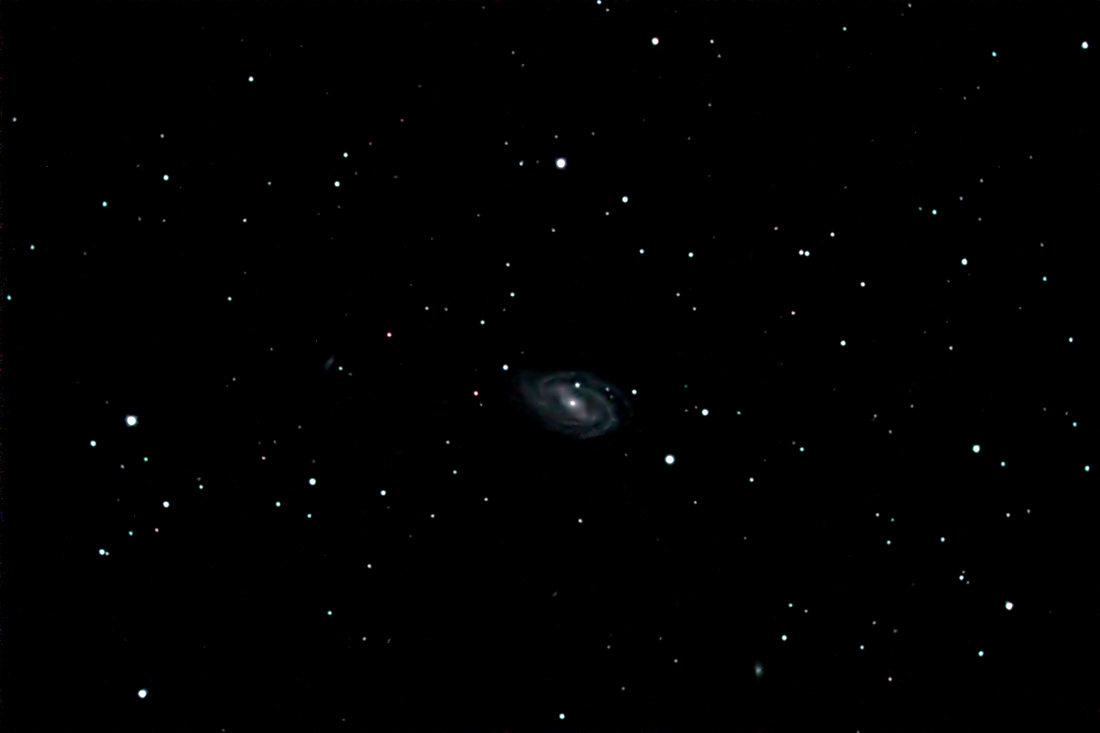
If you have been reading the captions of the above photos and noticed the distances of these objects, you'll be aware that all of them are relatively close, either inside or just outside our Milky Way Galaxy. Indeed, astronomers as recently as the early 1920s believed all the objects they viewed through their telescopes were part of our galaxy, including those fuzzy objects that later became known as separate galaxies...immense systems of stars and gas similar in many ways to our own galaxy. With the development of larger telescopes and the use of film it became possible to identify these systems and determine they were more distant than anything else ever viewed by mankind. Not only that, it was determined they are receding from us at immense speeds, giving rise to the accepted notion that the Universe is expanding. The discovery of galaxies, and that how fast they are receding from us is related to their distance, revolutionized our view of the Universe as profoundly as Galileo's first view of Jupiter. It is now understood that not only is the Solar System a very small part of the Milky Way Galaxy with its billions of stars, but the Milky Way Galaxy is only one of millions of observable galaxies. Relatively speaking, our corner of the Universe seems to be getting ever smaller, while the known Universe seems to be getting ever larger. Of course, galaxies did not always exist. They formed millions of years after the "Big Bang." Soon new space and earth-bound telescopes will bring us much closer to how the Universe appeared shortly after its creation some 13.7 billion years ago. We'll likely be able to glimpse how the earliest galaxies looked...much different than the more mature galaxies we see closer to us today.
Photographing galaxies is especially challenging. For one thing, they are faint, requiring longer exposures with accurate tracking. Furthermore, the arms of galaxies (most are spiral in shape) are much fainter than the central core and demand exposures and processing that will bring out the arms while not allowing the bright center of the galaxy to dominate the image.
Note: To find further information about the objects in the Solar System and beyond as presented above, simply enter the name of the object or its M or NGC designation (such as "M51" or "NGC 4127") into any good search engine and enjoy the results!