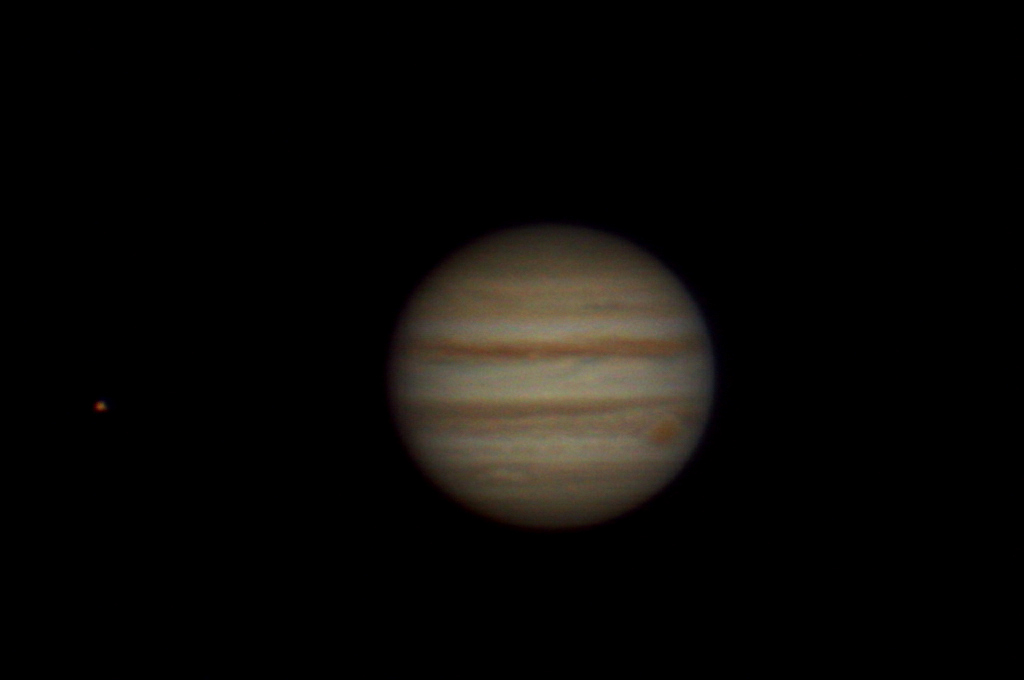
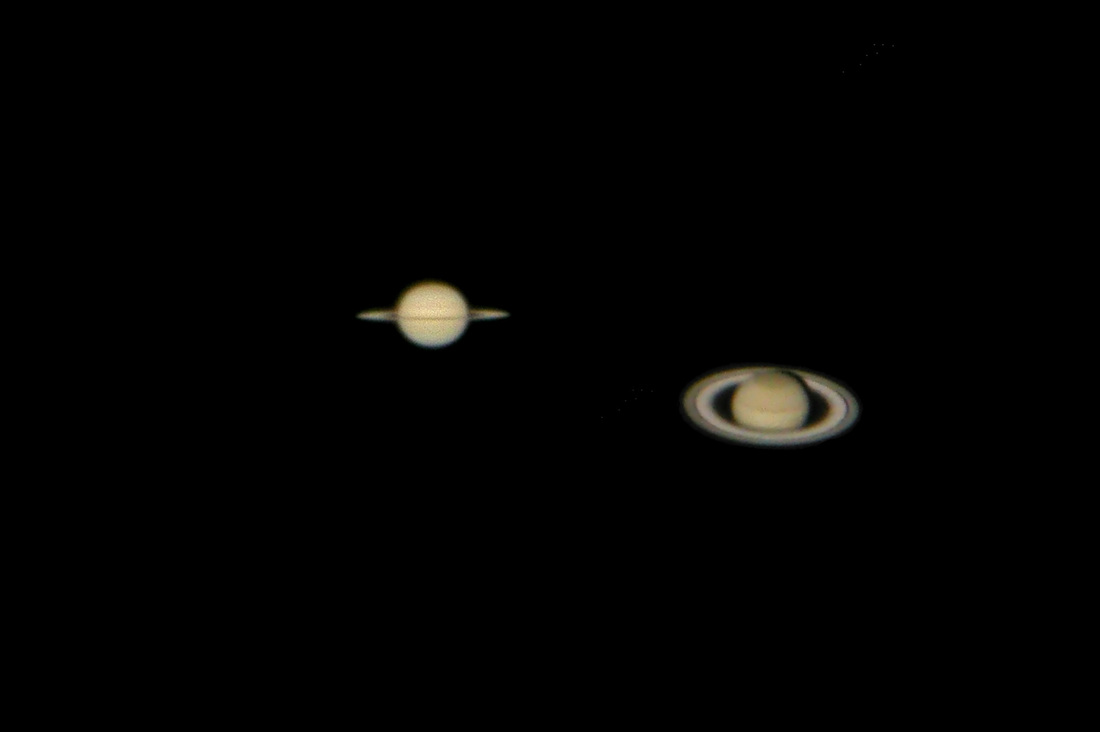
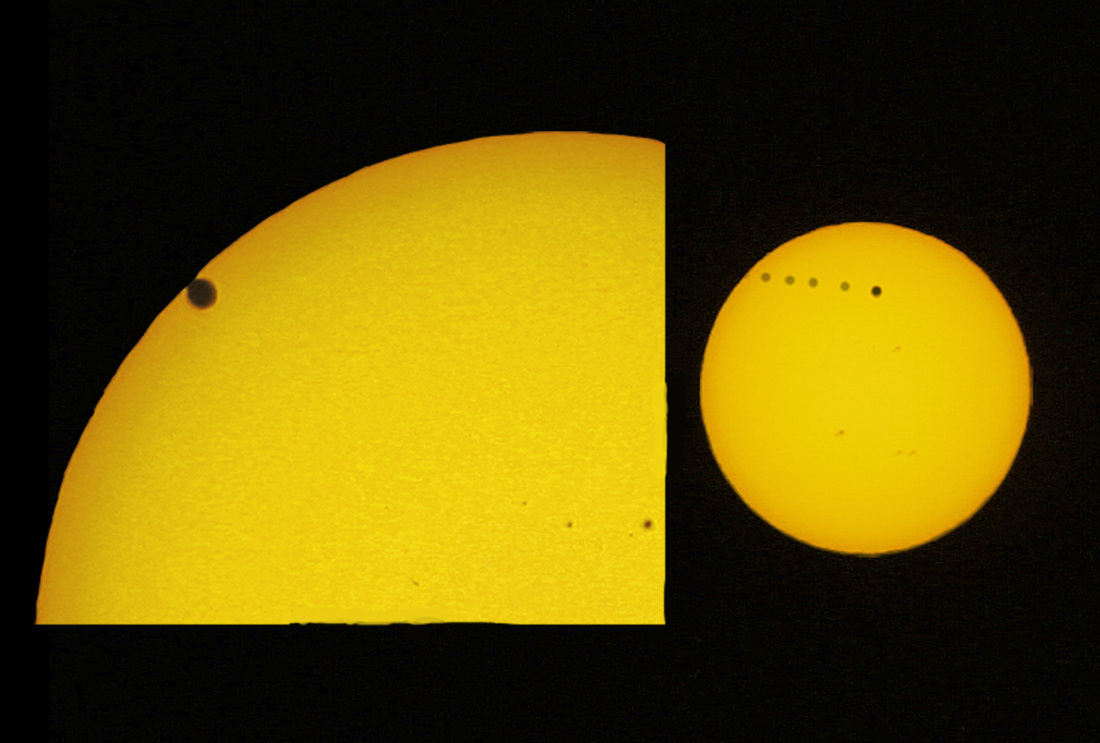
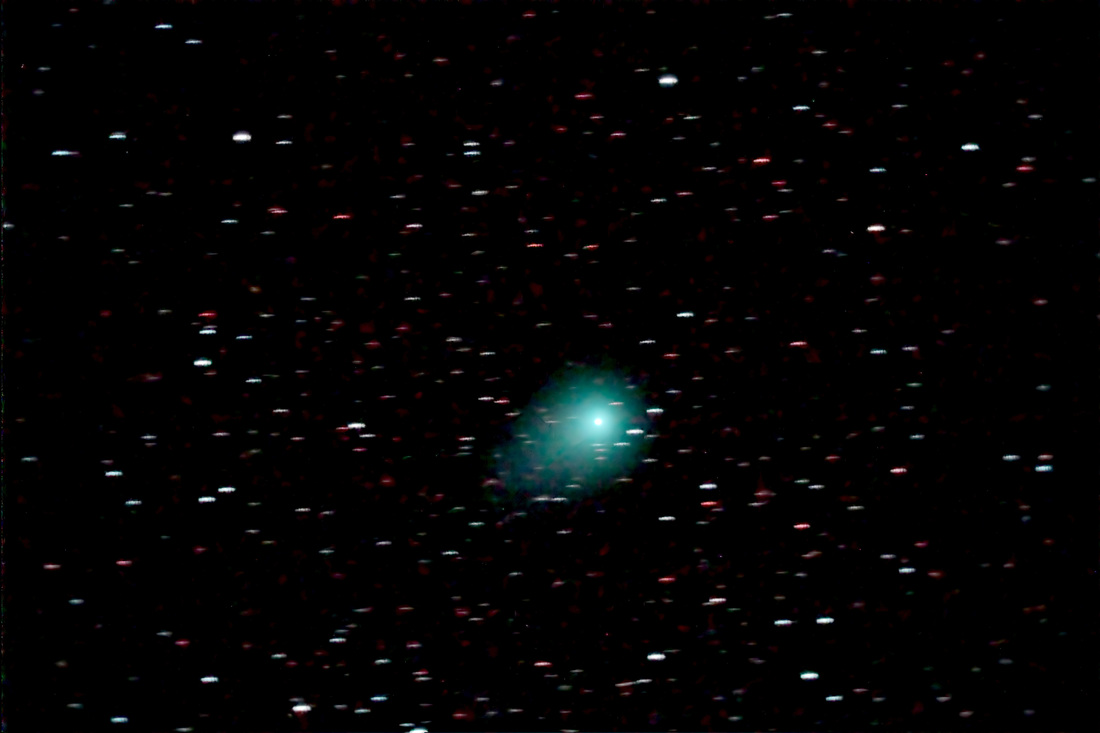
The objects in the Solar System are, astronomically speaking, relatively close. Many may be observed by the naked-eye or through binoculars or telescopes. The challenge in photographing these objects is to capture as much detail as possible. The larger the telescope the more detail can be seen because of the telescope's increased power to resolve details. Click on each photo to enlarge and read a description of the object and details about the photo.
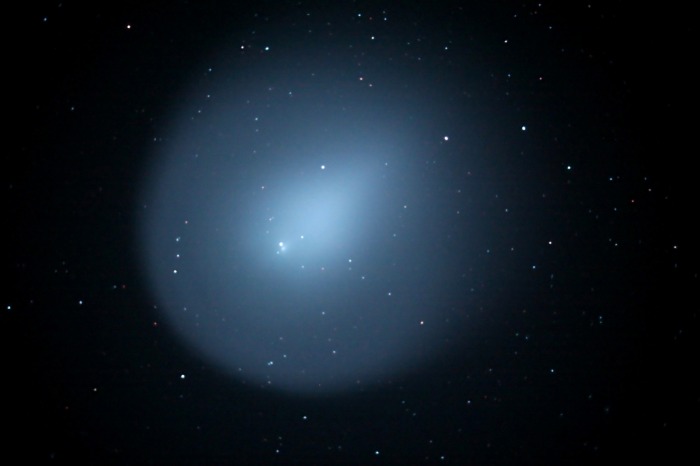
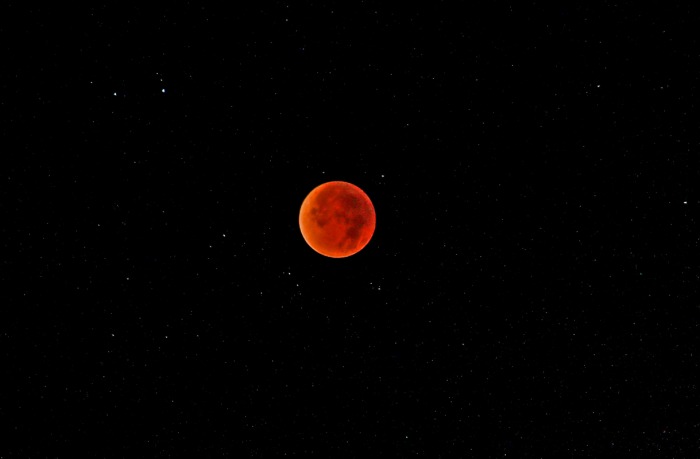
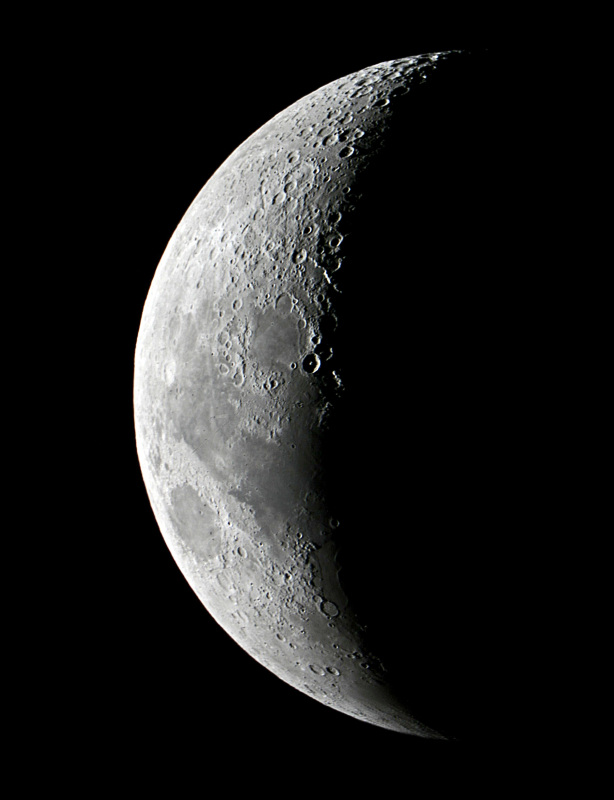
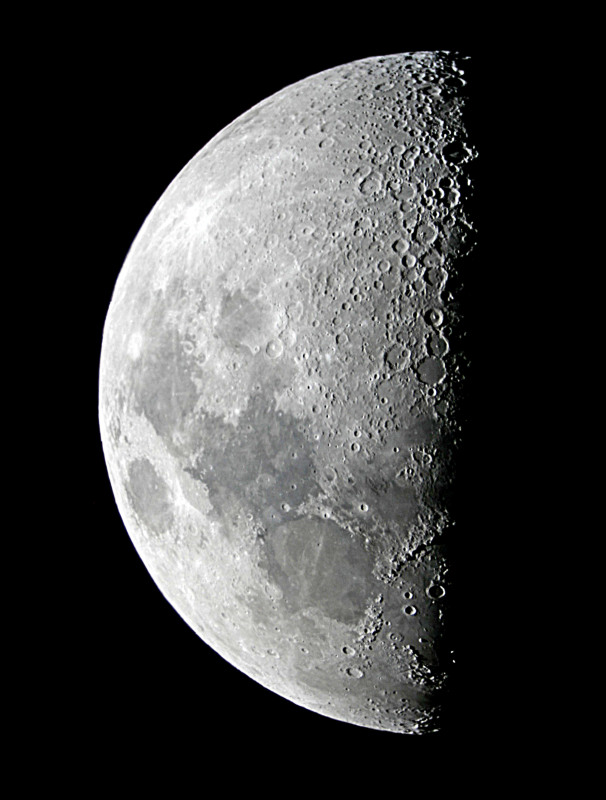
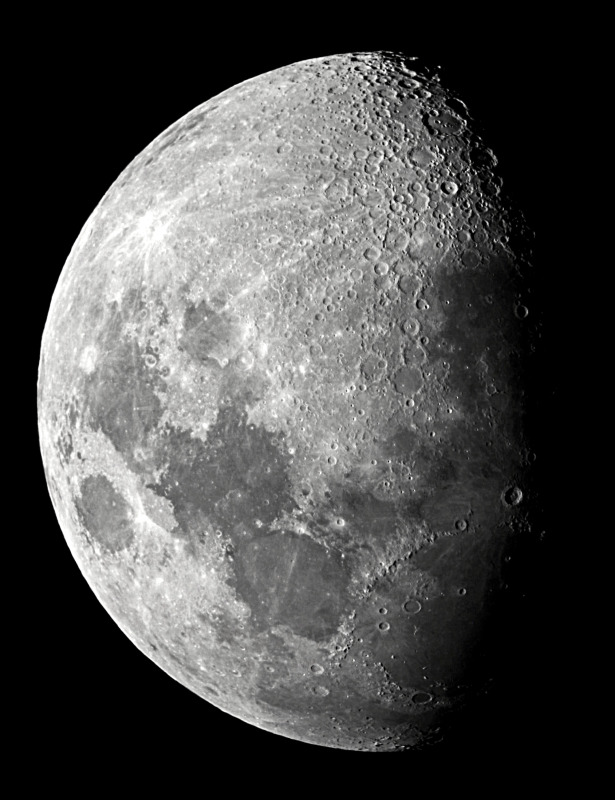
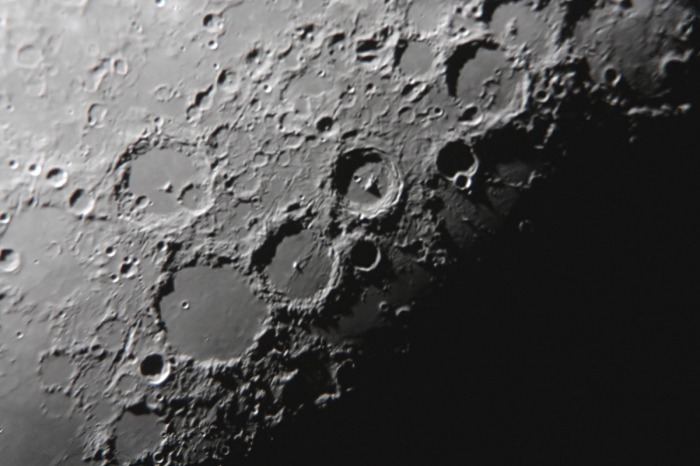
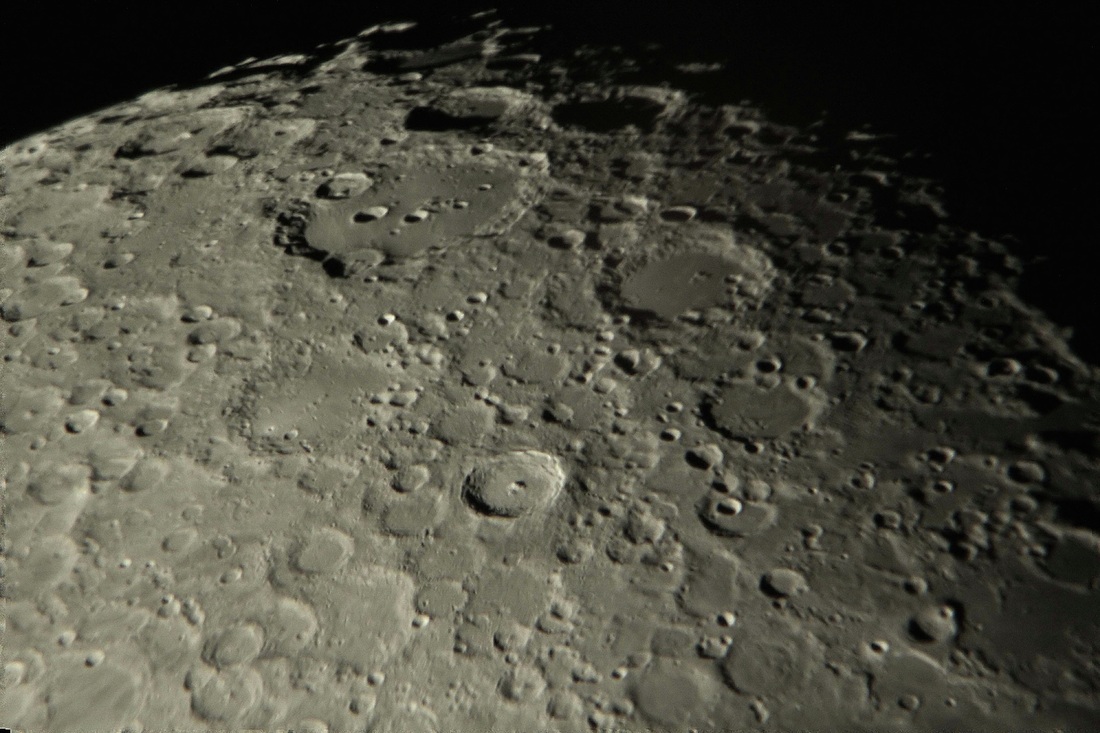
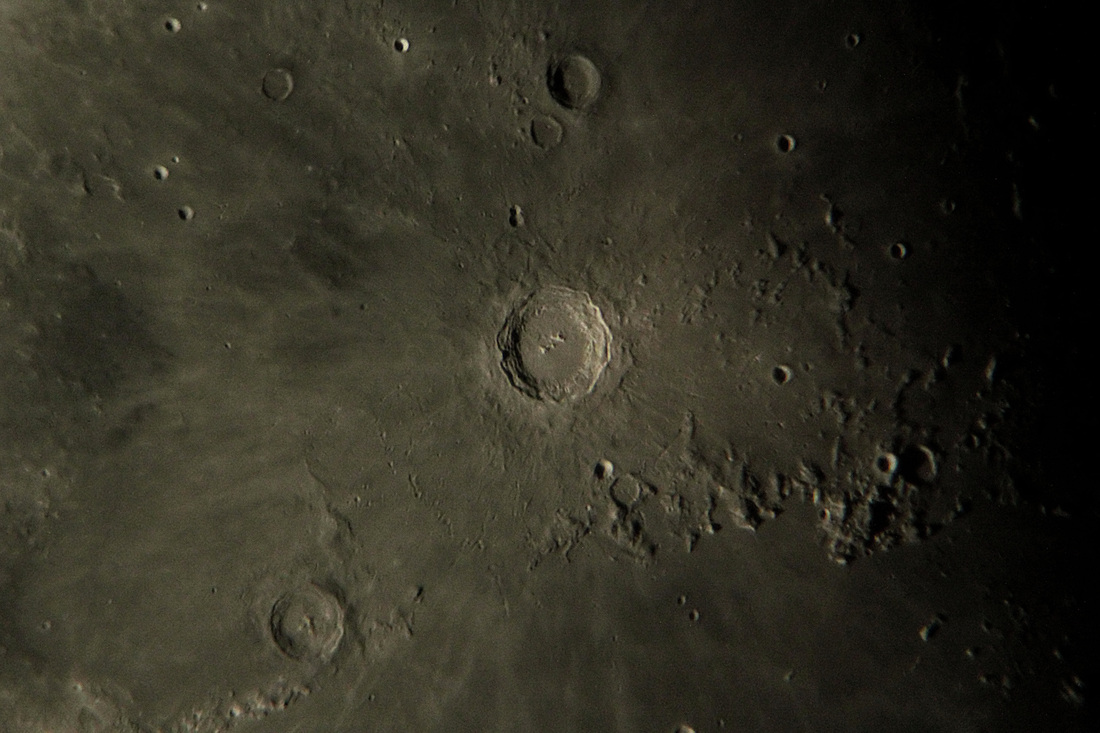
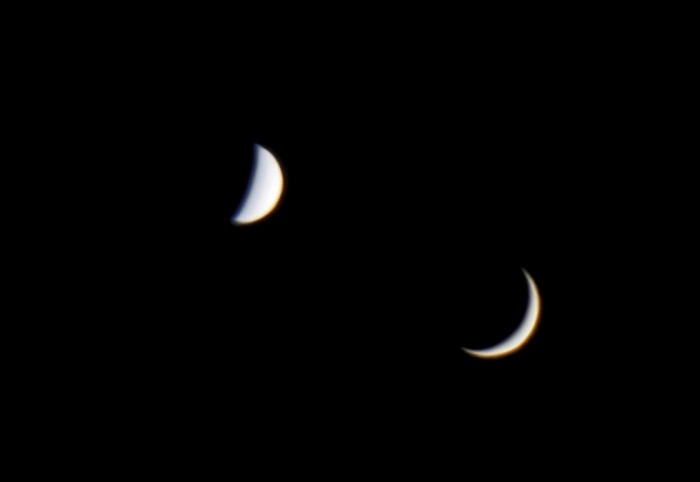
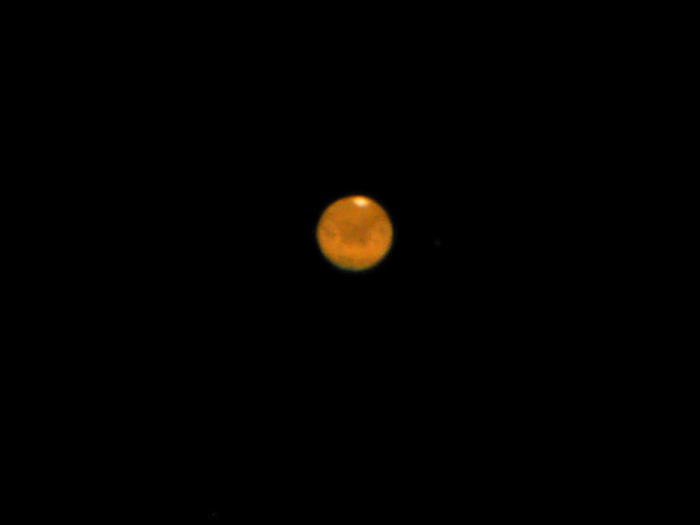
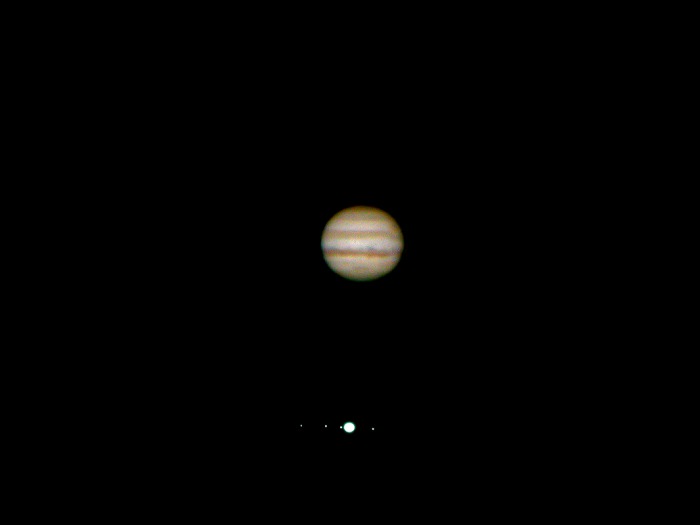
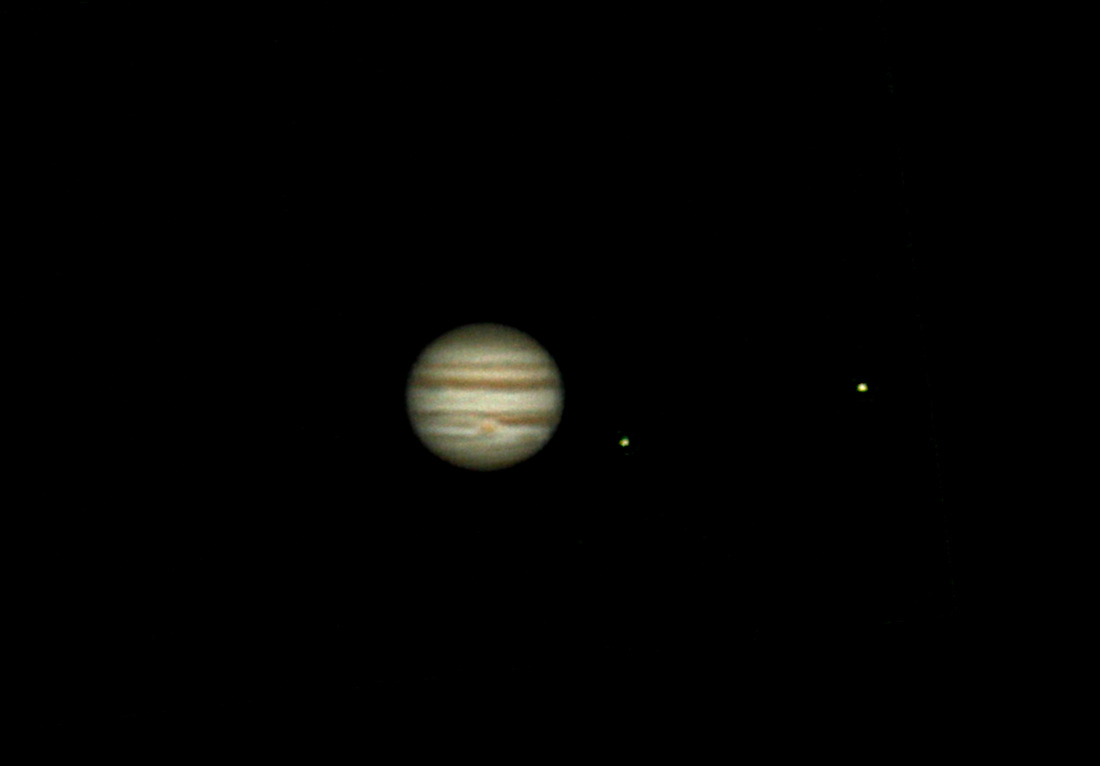
The Solar System began forming around a stable star, our Sun, about 4.6 billion years ago. Of all the planets, only Earth is hospitable to intelligent life. Mars may have had some form of life millions of years ago, but there is no evidence of intelligent life ever existing there in spite of all the dramatic science fiction stories based on that assumption.
Since most Solar System objects are close, the images you see above resemble closely the images you can see through the telescope visually when the air is steady (what astronomers refer to as "good seeing"). The goal of catching fine lunar or planetary detail is obtained by making exposures on a night with good seeing and using the fastest possible camera shutter speed consistent with proper exposure, so during that fraction of a second when the air is steady a sharp image can be recorded. Many sharp images aligned, stacked, and processed can yield a satisfying final photo full of detail. ZWO Planetary video cameras are excellent for taking high-resolution multiple images of the planets or Moon and then stacking the best ones using Registax 6 resulting in a detailed final image. This image can be further processed and refined in Photoshop or Photoshop Elements. A similar process will allow you to get good planetary and lunar images with a DSLR using the Astro Photography Tool. This protocol was used for many of the photos above.
Since most Solar System objects are close, the images you see above resemble closely the images you can see through the telescope visually when the air is steady (what astronomers refer to as "good seeing"). The goal of catching fine lunar or planetary detail is obtained by making exposures on a night with good seeing and using the fastest possible camera shutter speed consistent with proper exposure, so during that fraction of a second when the air is steady a sharp image can be recorded. Many sharp images aligned, stacked, and processed can yield a satisfying final photo full of detail. ZWO Planetary video cameras are excellent for taking high-resolution multiple images of the planets or Moon and then stacking the best ones using Registax 6 resulting in a detailed final image. This image can be further processed and refined in Photoshop or Photoshop Elements. A similar process will allow you to get good planetary and lunar images with a DSLR using the Astro Photography Tool. This protocol was used for many of the photos above.